

Understanding Acne-Prone Skin: The Root Causes
Before we dive into specific products and routines, it’s essential to understand what makes skin acne-prone in the first place. Acne is a common skin condition that occurs when hair follicles become clogged with oil (sebum) and dead skin cells. This creates a fertile ground for bacteria, leading to inflammation and the characteristic pimples, blackheads, whiteheads, cysts, and nodules we associate with acne.
Common Culprits Behind Breakouts:
- Excess Sebum Production: Our sebaceous glands naturally produce oil to keep our skin hydrated. However, overproduction can lead to clogged pores.
- Dead Skin Cell Accumulation: Skin cells are constantly shedding. If they don’t shed properly, they can mix with sebum and block follicles.
- Bacteria (P. acnes or C. acnes): This naturally occurring bacteria on the skin can multiply rapidly in clogged, oxygen-deprived follicles, leading to inflammation and infection.
- Inflammation: The body’s immune response to bacteria and clogged pores manifests as redness and swelling.
- Hormonal Fluctuations: Androgens (male hormones present in both men and women) can stimulate sebum production, making hormonal shifts (puberty, menstrual cycles, pregnancy, stress) a significant trigger for acne.
- Genetics: If your parents had acne, you’re more likely to experience it too.
- Diet: While direct links are still debated, some studies suggest high glycemic index foods and dairy might exacerbate acne in some individuals.
- Stress: Though stress doesn’t directly cause acne, it can worsen existing breakouts by triggering hormonal responses that increase oil production. This is where understanding How To Create Self Care Routine becomes incredibly important, as stress management is a cornerstone of overall well-being, including skin health.
Recognizing these factors is the first step in formulating an effective strategy. Your skincare routine isn’t just about surface treatment; it’s about addressing the underlying mechanisms that contribute to breakouts.
Building Your AM & PM Skincare Routine for Acne-Prone Skin
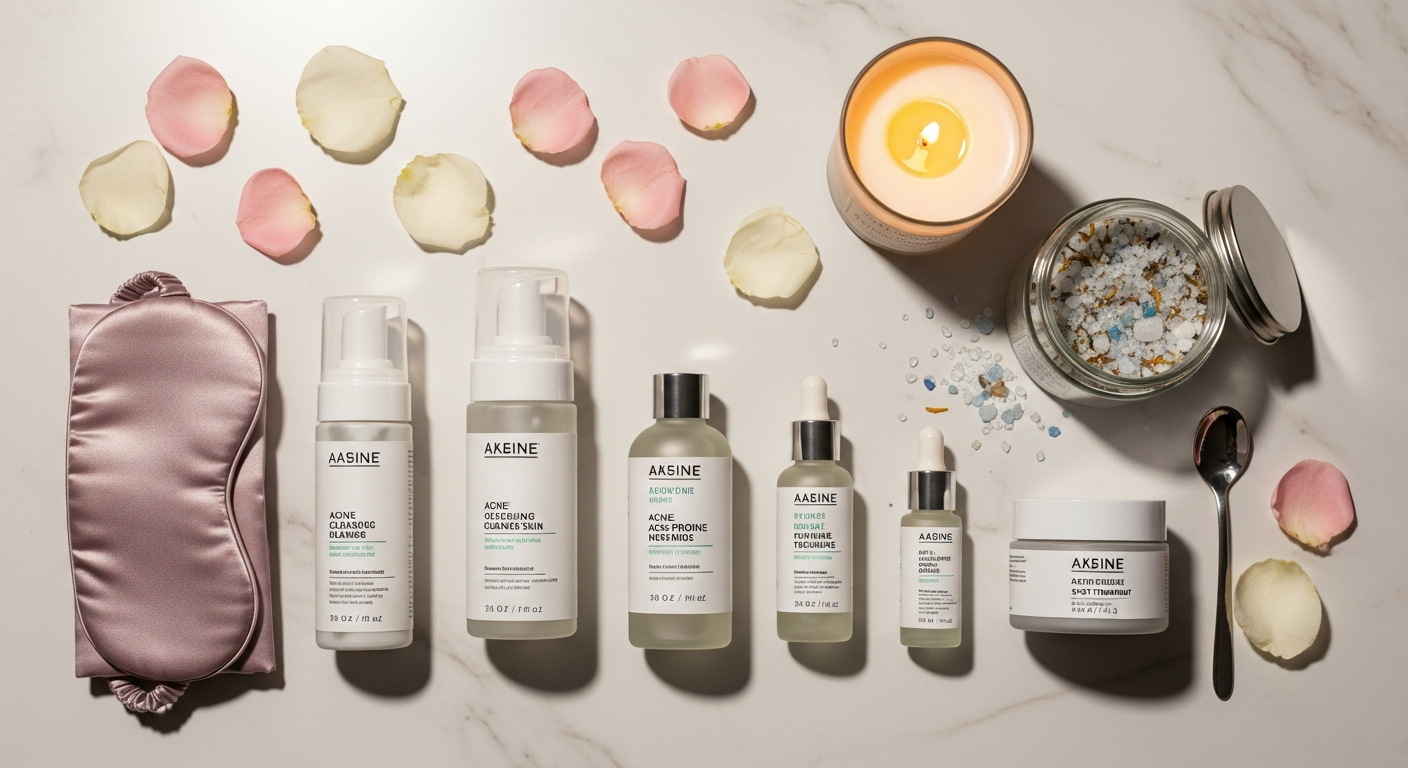
Consistency is key when it comes to managing acne-prone skin. A dedicated morning and evening routine, tailored to your skin’s needs, will yield the best results. Think of this as a mindful ritual, a cornerstone of your daily How To Create Self Care Routine, allowing you to connect with yourself and nurture your skin. Here’s a step-by-step guide to building your ideal regimen:
The Morning Routine: Protect and Prepare
Your morning routine focuses on cleansing, treating, and protecting your skin from environmental aggressors throughout the day.
-
Gentle Cleanser:
Start your day by washing your face with a mild, pH-balanced cleanser. Avoid harsh, stripping cleansers that contain strong sulfates or high alcohol content, as these can disrupt your skin’s natural barrier, leading to irritation and potentially more oil production. Look for ingredients like salicylic acid (if not using other strong actives) or gentle hydrating agents. The goal is to remove overnight oil and impurities without over-drying.
- Why it’s important: Prepares the skin for subsequent treatments and removes impurities.
- Product type: Gel, foam, or cream cleansers that are non-comedogenic and sulfate-free.
-
Treatment Serum (Optional but Recommended):
After cleansing, apply a lightweight serum designed to address specific concerns.
- Niacinamide (Vitamin B3): A powerhouse ingredient for acne-prone skin. It helps reduce inflammation, minimize redness, improve skin barrier function, and regulate oil production. It’s also well-tolerated by most skin types.
- Vitamin C: While primarily known for its antioxidant and brightening properties, Vitamin C can also help fade post-inflammatory hyperpigmentation (dark spots left after acne) and protect skin from environmental damage. Choose a stable form like L-Ascorbic Acid or derivatives.
- Why it’s important: Delivers concentrated active ingredients to target specific issues like inflammation, oiliness, and redness.
- Product type: Lightweight, fast-absorbing serums.
-
Targeted Spot Treatment (If Needed):
If you have active breakouts, apply a spot treatment directly to the affected areas. Common ingredients include:
- Benzoyl Peroxide: Kills acne-causing bacteria and helps shed dead skin cells. Start with a lower concentration (2.5% or 5%) to minimize irritation.
- Salicylic Acid: A beta-hydroxy acid (BHA) that exfoliates inside the pore, dissolving oil and dead skin cells.
- Why it’s important: Directly tackles existing blemishes.
- Application: Apply sparingly only to pimples, allowing it to dry before the next step.
-
Lightweight, Non-Comedogenic Moisturizer:
Even oily, acne-prone skin needs hydration. Skipping moisturizer can trick your skin into producing more oil to compensate, leading to more breakouts. Choose an oil-free, non-comedogenic (won’t clog pores) moisturizer. Look for ingredients like hyaluronic acid, glycerin, or ceramides to hydrate and strengthen the skin barrier.
- Why it’s important: Maintains skin hydration, strengthens the skin barrier, and prevents overproduction of oil.
- Product type: Gel-creams, lotions, or fluid moisturizers.
-
Broad-Spectrum SPF 30+ (Non-Negotiable!):
This is arguably the most crucial step for all skin types, especially acne-prone skin. Many acne treatments, particularly retinoids and BHAs, increase your skin’s sensitivity to the sun. Sun exposure can also worsen post-inflammatory hyperpigmentation (acne scars). Choose a broad-spectrum sunscreen with an SPF of 30 or higher that is labeled “non-comedogenic” or “oil-free.” Mineral sunscreens (zinc oxide, titanium dioxide) are often well-tolerated by sensitive, acne-prone skin.
- Why it’s important: Protects against UV damage, prevents worsening of acne marks, and reduces the risk of skin cancer.
- Product type: Lightweight, fluid sunscreens or tinted sunscreens.
The Evening Routine: Treat and Repair
Your evening routine is dedicated to thoroughly cleansing the day away, treating active concerns, and supporting skin repair and regeneration while you sleep.
-
Double Cleansing:
This two-step cleansing method is incredibly beneficial for acne-prone skin, especially if you wear makeup or sunscreen.
- Step 1 (Oil-Based Cleanser): Use an oil cleanser, cleansing balm, or micellar water to dissolve makeup, sunscreen, and excess sebum. Massage gently onto dry skin, then emulsify with a little water before rinsing thoroughly.
- Step 2 (Water-Based Cleanser): Follow with your gentle water-based cleanser (the same one you use in the morning) to remove any remaining residue and cleanse the skin itself.
- Why it’s important: Ensures all makeup, sunscreen, and impurities are thoroughly removed, preventing clogged pores.
-
Exfoliating Treatment (2-4 times a week, adjust as needed):
Chemical exfoliants are generally preferred over harsh physical scrubs for acne-prone skin, as scrubs can spread bacteria and cause micro-tears. Beta-hydroxy acids (BHAs) are particularly effective.
- Salicylic Acid (BHA): Penetrates oil to exfoliate inside the pore, making it excellent for blackheads, whiteheads, and oily skin. Use a toner, serum, or leave-on treatment.
- Alpha-Hydroxy Acids (AHAs) like Glycolic or Lactic Acid: Exfoliate the surface of the skin, improving texture and fading post-inflammatory hyperpigmentation. Better for surface concerns and dry acne-prone skin.
- Why it’s important: Prevents dead skin cell buildup, unclogs pores, and promotes cell turnover.
- Application: Apply to clean, dry skin. Start with 2-3 times a week and increase if tolerated.
-
Retinoid/Retinol (Every other night to nightly, introduce gradually):
Retinoids are derivatives of Vitamin A and are considered one of the most effective ingredients for acne. They work by increasing cell turnover, preventing clogged pores, reducing inflammation, and even stimulating collagen production.
- Over-the-counter Retinol: A milder form, excellent for starting.
- Adapalene (Differin): A prescription-strength retinoid now available over-the-counter, highly effective for acne.
- Prescription Retinoids (Tretinoin, Tazarotene): Stronger forms that require a dermatologist’s consultation.
- Why it’s important: Addresses multiple acne concerns, from preventing breakouts to improving skin texture and reducing scarring.
- Application: Start with a pea-sized amount 2-3 times a week, gradually increasing frequency as your skin adjusts to minimize irritation, redness, and flaking. Apply to dry skin after cleansing (and exfoliating if not using a retinoid that night).
-
Hydrating Serum (Optional but Beneficial):
If your skin feels dry or sensitive, especially when using active treatments, a hydrating serum can provide much-needed moisture without clogging pores. Look for ingredients like:
- Hyaluronic Acid: Attracts and holds moisture in the skin.
- Ceramides: Help restore and strengthen the skin barrier.
- Why it’s important: Replenishes moisture, soothes irritation, and supports skin barrier health.
- Application: Apply after retinoids or other treatments, before moisturizer.
-
Non-Comedogenic Moisturizer:
Just like in the morning, finish with a hydrating, oil-free moisturizer to lock in moisture and support skin repair overnight. This step is particularly crucial when using strong active ingredients to prevent dryness and irritation.
- Why it’s important: Provides essential hydration and barrier support while your skin regenerates during sleep.
- Product type: Slightly richer than your morning moisturizer, but still non-comedogenic.
Remember, this detailed routine is a guide. Listen to your skin and adjust product usage and frequency as needed. Building this consistent routine is a powerful element of How To Create Self Care Routine, offering a moment of quiet reflection and care at the start and end of each day.
Essential Ingredients for Acne-Prone Skin: Your Allies in the Fight
-
Salicylic Acid (BHA – Beta-Hydroxy Acid):
- How it works: Oil-soluble, meaning it can penetrate through sebum to exfoliate inside the pore lining. This makes it excellent for dissolving dead skin cells and oil plugs, preventing blackheads and whiteheads. It also has anti-inflammatory properties.
- Best for: Blackheads, whiteheads, oily skin, mild to moderate acne.
- Found in: Cleansers, toners, serums, spot treatments.
-
Benzoyl Peroxide:
- How it works: Kills acne-causing bacteria (C. acnes) by releasing oxygen into the pore. It also helps shed dead skin cells.
- Best for: Inflammatory acne (red, pus-filled pimples).
- Found in: Cleansers, spot treatments, leave-on creams.
- Caution: Can be drying and bleaching to fabrics. Start with lower concentrations (2.5% to 5%) to minimize irritation.
-
Retinoids (Retinol, Adapalene, Tretinoin):
- How it works: Derivatives of Vitamin A that normalize cell turnover, preventing pores from clogging. They also reduce inflammation, stimulate collagen, and improve skin texture and tone over time.
- Best for: All types of acne, including cystic acne, and for preventing future breakouts, fading post-inflammatory hyperpigmentation, and anti-aging.
- Found in: Serums, creams (OTC retinol, Adapalene), prescription creams/gels (Tretinoin, Tazarotene).
- Caution: Can cause initial dryness, redness, and purging. Introduce gradually. Always use SPF when using retinoids.
-
Niacinamide (Vitamin B3):
- How it works: A multi-tasking ingredient that reduces inflammation, minimizes redness, strengthens the skin barrier, regulates oil production, and can improve hyperpigmentation. It’s gentle and well-tolerated.
- Best for: Redness, inflammation, oily skin, improving overall skin health.
- Found in: Serums, moisturizers.
-
Hyaluronic Acid:
- How it works: A humectant that attracts and holds up to 1,000 times its weight in water, providing essential hydration without clogging pores. Crucial for balancing the skin, especially when using drying acne treatments.
- Best for: Hydrating all skin types, soothing irritated skin, maintaining skin barrier function.
- Found in: Serums, moisturizers.
-
Azelaic Acid:
- How it works: Possesses antibacterial, anti-inflammatory, and exfoliating properties. It helps clear pores, reduce redness, and fade post-inflammatory hyperpigmentation.
- Best for: Inflammatory acne, rosacea, hyperpigmentation.
- Found in: Serums, creams (OTC and prescription).
-
Tea Tree Oil:
- How it works: Natural antiseptic and anti-inflammatory properties.
- Best for: Spot treating mild breakouts.
- Caution: Always dilute with a carrier oil (like jojoba or grapeseed) before applying to the skin, as it can be irritating. Patch test first.
When selecting products, it’s not just about the active ingredients, but also the overall formulation. Look for brands committed to transparency and quality. As we move towards 2026, there’s a growing emphasis on conscious consumption, mirroring the principles of What Is Slow Fashion Why It Matters. This means choosing products from brands that prioritize ethical sourcing, sustainable packaging, and formulations free from unnecessary irritants. Opt for fewer, high-quality, effective products over a cabinet full of potentially conflicting ingredients.
Beyond the Bottle: Lifestyle Factors for Clearer Skin
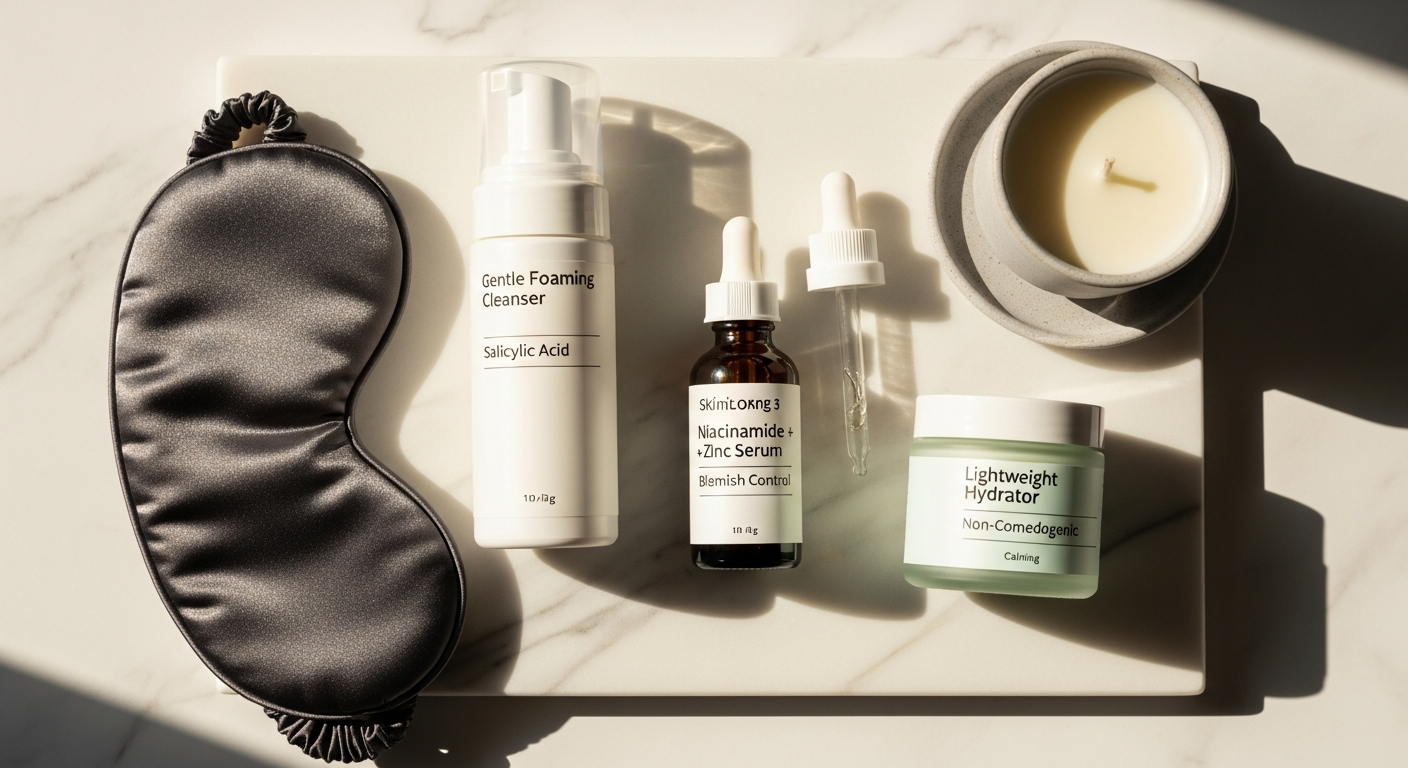
Skincare isn’t just about what you put on your face; it’s deeply interconnected with your overall health and lifestyle. A truly holistic approach to clear skin integrates daily habits and self-care practices. This is where the broader principles of How To Create Self Care Routine truly shine.
Diet and Nutrition:
- Focus on Whole Foods: A diet rich in fruits, vegetables, lean proteins, and healthy fats provides essential nutrients and antioxidants that support skin health.
- Reduce High Glycemic Index Foods: Foods like white bread, sugary snacks, and processed items can cause blood sugar spikes, potentially leading to inflammation and increased oil production.
- Consider Dairy: For some individuals, dairy products can trigger or worsen acne. If you suspect a link, try eliminating dairy for a few weeks to see if your skin improves.
- Stay Hydrated: Drinking plenty of water helps your body function optimally, including flushing out toxins and maintaining skin plumpness.
Stress Management:
Stress is a well-documented trigger for acne. When you’re stressed, your body produces more cortisol, which can lead to increased oil production and inflammation. Incorporating stress-reducing practices into your daily life can significantly impact your skin’s clarity.
- Mindfulness and Meditation: Even 10-15 minutes a day can help calm your nervous system.
- Regular Exercise: Physical activity is a fantastic stress reliever and boosts circulation, bringing nutrients to your skin.
- Adequate Sleep: Aim for 7-9 hours of quality sleep per night. Your skin repairs and regenerates most effectively while you sleep. Lack of sleep can disrupt hormones and increase stress.
- Deep Breathing Exercises: Simple yet effective tools for managing acute stress, whether you’re dealing with a demanding day or learning How To Cope With Anxiety At Work. Taking a few deep breaths can signal to your body that it’s safe to relax.
- Setting Boundaries: Learning to say no and prioritizing your well-being can reduce stress significantly.
Sleep Hygiene:
- Clean Pillowcases: Change your pillowcase every 2-3 days. They collect oil, sweat, dead skin cells, and product residue, which can transfer back to your skin and clog pores.
- Silk Pillowcases: While not a direct acne treatment, silk is smoother than cotton, reducing friction and potentially irritation, which can be beneficial for sensitive, acne-prone skin.
Other Daily Habits:
- Avoid Touching and Picking: This is easier said than done, but picking or squeezing pimples can introduce more bacteria, push infection deeper, lead to more inflammation, and result in scarring or dark spots.
- Clean Your Phone Screen: Your phone collects bacteria throughout the day. Wipe it down regularly with an alcohol wipe to prevent transferring germs to your face.
- Clean Your Makeup Brushes: Wash your makeup brushes at least once a week with a gentle cleanser to prevent bacterial buildup.
- Shower After Sweating: If you exercise or sweat heavily, shower promptly to remove sweat and bacteria from your skin, especially on your back and chest if you experience body acne.
Remember, achieving clear skin is a journey, not a sprint. By combining a targeted skincare routine with these healthy lifestyle practices, you’re not just treating acne; you’re nurturing your entire self, embodying the holistic vision of wellness that Sometimes Daily champions.
Common Mistakes to Avoid & Expert Tips for Success
Even with the right products, missteps in application or misguided expectations can hinder your progress. Here’s what to avoid and some expert tips to optimize your best skincare routine for acne-prone skin:
Mistakes to Avoid:
-
Over-Exfoliating or Over-Cleansing:
A common misconception is that acne-prone skin needs to be aggressively scrubbed or stripped to be clean. This couldn’t be further from the truth. Harsh physical exfoliants can cause micro-tears and spread bacteria, while over-cleansing with strong, stripping cleansers can damage your skin barrier, leading to dryness, irritation, and even more oil production as your skin tries to compensate.
- Tip: Stick to gentle chemical exfoliants (BHAs, AHAs) 2-4 times a week, and use mild, pH-balanced cleansers.
-
Skipping Moisturizer (Especially if Oily):
Many with oily or acne-prone skin mistakenly believe they don’t need moisturizer. This is a crucial error. Dehydrated skin can become irritated and actually produce more oil to compensate for the lack of moisture, exacerbating breakouts. Using drying acne treatments without proper hydration will only make matters worse.
- Tip: Always use a lightweight, oil-free, non-comedogenic moisturizer, both morning and night.
-
Not Being Consistent:
Acne treatment requires patience and consistency. You won’t see results overnight. Skipping steps or using products sporadically will prevent them from working effectively.
- Tip: Commit to your routine daily, even when you don’t feel like it. Think of it as a non-negotiable part of your self-care.
-
Introducing Too Many New Products at Once:
When you’re desperate for clear skin, it’s tempting to try every new product or active ingredient simultaneously. This makes it impossible to identify what’s working (or what’s causing irritation) and can overwhelm your skin, leading to more breakouts or sensitivity.
- Tip: Introduce one new product at a time, waiting at least 2-4 weeks before adding another. This allows you to patch test and observe your skin’s response.
-
Expecting Instant Results:
Skincare is a marathon, not a sprint. It takes time for skin cells to turn over and for active ingredients to make a noticeable difference. You might even experience an initial “purging” phase when starting retinoids or strong exfoliants, where breakouts temporarily worsen before improving.
- Tip: Give any new routine or active ingredient at least 4-6 weeks to show results, and often 2-3 months for significant improvement.
-
Ignoring Sun Protection:
As mentioned, many acne treatments increase sun sensitivity. Skipping SPF can lead to sunburn, worsen post-inflammatory hyperpigmentation (dark spots), and counteract the benefits of your routine.
- Tip: Use a broad-spectrum SPF 30+ daily, rain or shine.
Expert Tips for Success:
- Patch Test New Products: Before applying a new product all over your face, test a small amount on an inconspicuous area (like behind your ear or on your jawline) for a few days to check for any adverse reactions.
- Start Low and Go Slow with Actives: Especially with retinoids, benzoyl peroxide, and strong acids, begin with lower concentrations and use them less frequently (e.g., every other night) before gradually increasing as your skin tolerates.
- Listen to Your Skin: If your skin feels tight, dry, red, or irritated, it’s telling you something. Scale back on active ingredients, focus on hydration, and give your skin a break.
- Consult a Dermatologist: If over-the-counter products aren’t yielding results after several months, or if you have severe cystic acne, consult a board-certified dermatologist. They can offer prescription-strength treatments, in-office procedures, and personalized advice. This is a vital step in taking control of your skin health and an extension of your self-care journey.
- Be Patient and Kind to Yourself: Acne can be incredibly frustrating, but remember that it’s a common condition. Be patient with your skin and yourself, celebrating small improvements along the way. Your skin journey is unique, and progress isn’t always linear.
Curating Your Skincare Wardrobe: Making Sustainable Choices for 2026 and Beyond
As we look to 2026, the beauty industry, much like fashion, is undergoing a significant transformation towards greater sustainability and ethical practices. This shift mirrors the core tenets of What Is Slow Fashion Why It Matters: conscious consumption, valuing quality over quantity, and understanding the impact of our choices. Applying these principles to your skincare routine for acne-prone skin not only benefits the planet but can also lead to a more effective and mindful approach to your personal well-being.
Quality Over Quantity:
Instead of chasing every new trend or accumulating countless products, focus on a streamlined routine with fewer, high-quality, effective formulations. This means:
- Invest in Efficacy: Choose products with proven active ingredients that genuinely target your concerns, rather than impulse buys based on marketing hype.
- Understand Ingredient Lists: Become an informed consumer. Learn to decipher ingredient labels, looking for beneficial actives and avoiding potential irritants or unnecessary fillers.
- Long-Term Value: A well-formulated product that lasts and delivers results is a more sustainable choice than multiple cheaper alternatives that don’t work or are quickly used up.
Ethical and Sustainable Brands:
The beauty industry has a significant environmental footprint, from sourcing ingredients to packaging waste. Making sustainable choices means supporting brands that are committed to:
- Responsible Sourcing: Look for brands that ensure their ingredients are ethically harvested and do not contribute to deforestation or exploitation.
- Clean Formulations: While “clean beauty” lacks a universal definition, many brands are prioritizing formulations free from parabens, phthalates, synthetic fragrances, and other potentially harmful or irritating chemicals. This aligns with a holistic approach to wellness.
- Eco-Friendly Packaging: Opt for products in recyclable, refillable, or biodegradable packaging. Support brands that use post-consumer recycled (PCR) materials or minimize plastic use.
- Cruelty-Free Practices: Choose brands that do not test on animals.
- Transparency: Brands that are open about their manufacturing processes, supply chains, and environmental initiatives allow you to make more informed decisions.
Reducing Waste in Your Routine:
- Finish Products Before Buying New: Resist the urge to constantly try new things. Use up what you have before purchasing replacements.
- Consider Solid Formulations: Some cleansers, shampoos, and even serums now come in solid bars, reducing the need for plastic bottles.
- Refillable Options: As we move into 2026, more brands are offering refillable packaging for popular products, significantly cutting down on waste.
- Multitasking Products: If possible, choose products that serve multiple functions (e.g., a moisturizer with SPF, or a serum that hydrates and treats).
By thoughtfully curating your “skincare wardrobe,” you’re not just making choices for clearer skin; you’re contributing to a healthier planet and a more sustainable future, embodying the mindful consumption at the heart of What Is Slow Fashion Why It Matters. This conscious approach enhances your personal self-care journey, aligning your values with your daily rituals.
Recommended Resources
Explore How To Style A Classic White Button Down Shirt Outfits for additional insights.
Related reading: How Celebrities Stay Fit Without Extreme Diets (Celebrity Exchange).