
Understanding Workplace Anxiety: Why It Happens to Us
Before we can effectively cope with anxiety at work and stay calm, it’s crucial to understand its roots and manifestations. Workplace anxiety isn’t just a fleeting feeling of nervousness; it’s a persistent state of worry, apprehension, and fear that can significantly impact your performance, well-being, and overall quality of life. For women, in particular, the confluence of professional expectations, societal roles, and the innate drive to excel can create a unique set of pressures that amplify these feelings.
Common Triggers and Root Causes
Anxiety at work rarely appears without reason. Identifying your specific triggers is the first step toward managing them. While individual experiences vary, several common culprits frequently contribute to workplace anxiety:
- High-Pressure Environments: Constant deadlines, demanding targets, and the expectation of perfection can create a relentless cycle of stress. The fear of failure or not meeting expectations can be a powerful anxiety inducer.
- Lack of Control: Feeling powerless over your workload, schedule, or career trajectory can be deeply unsettling. A lack of autonomy often breeds frustration and anxiety.
- Difficult Colleagues or Managers: Workplace politics, bullying, micromanagement, or simply clashing personalities can make the office an emotionally draining space. Toxic work relationships are a significant source of stress.
- Imposter Syndrome: This pervasive feeling, often experienced by high-achieving women, is the belief that you are not as competent as others perceive you to be, leading to a constant fear of being “found out.” It fuels self-doubt and anxiety about performance.
- Work-Life Imbalance: The struggle to juggle professional responsibilities with personal life, family commitments, and self-care leaves little room for rest and recovery. This perpetual state of being “on” can lead to burnout and chronic anxiety.
- Unclear Expectations or Role Ambiguity: Not knowing exactly what’s expected of you, or having your responsibilities constantly shift, can create immense uncertainty and stress.
Recognizing the Signs: Physical, Emotional, and Cognitive
Anxiety manifests in various ways, and recognizing its signs early can help you intervene before it escalates. Pay attention to both subtle and overt indicators:
- Physical Symptoms: These can include a racing heart, shortness of breath, muscle tension (especially in the neck, shoulders, and jaw), headaches, digestive issues (stomachaches, nausea), excessive sweating, dizziness, and fatigue. You might also notice changes in your sleep patterns, such as difficulty falling asleep or staying asleep.
- Emotional Symptoms: Feelings of dread, constant worry, irritability, restlessness, feeling on edge, or a general sense of unease are common. You might find yourself easily frustrated, impatient, or prone to mood swings.
- Cognitive Symptoms: Anxiety can impair your mental clarity, leading to difficulty concentrating, memory problems, obsessive thoughts about work, overthinking scenarios, and a tendency to catastrophize. Decision-making can become a struggle, and you might find yourself dwelling on past mistakes or future uncertainties.
The Unique Pressures on Women in the Workplace
While anxiety is a universal human experience, women often face additional layers of pressure that can exacerbate workplace stress. Societal expectations often place the burden of caregiving and household management disproportionately on women, even those with demanding careers. This ‘mental load’ can lead to chronic exhaustion and a feeling of being constantly stretched thin. Furthermore, women may encounter gender bias, pay gaps, and a constant need to prove their competence in male-dominated fields, contributing to imposter syndrome and heightened anxiety about performance and acceptance. Understanding these unique dynamics is key to developing tailored coping mechanisms.
Immediate Strategies for Calming Down in the Moment
When anxiety strikes at work, whether it’s a sudden panic attack before a presentation or a creeping sense of dread during a busy afternoon, having immediate, actionable strategies can make all the difference. These techniques are designed to interrupt the anxiety cycle, bring your nervous system back into balance, and help you regain a sense of control quickly.
Breathing Techniques: Your On-Demand Calm Button
Your breath is a powerful tool for regulating your nervous system. When anxious, breathing tends to become shallow and rapid. Deep, controlled breathing signals to your brain that you are safe, activating your parasympathetic nervous system (the “rest and digest” response).
- 4-7-8 Breathing: This technique, popularized by Dr. Andrew Weil, is incredibly effective for rapid calming.
- Exhale completely through your mouth, making a whoosh sound.
- Close your mouth and inhale quietly through your nose to a mental count of four.
- Hold your breath for a count of seven.
- Exhale completely through your mouth, making a whoosh sound, for a count of eight.
- Repeat the cycle three more times for a total of four breaths.
Practice this regularly, and it becomes a powerful anxiety interruptor.
- Box Breathing (Tactical Breathing): This technique is used by military and first responders for maintaining calm under pressure.
- Exhale completely, emptying your lungs of air.
- Inhale slowly and deeply through your nose for a count of four.
- Hold your breath for a count of four.
- Exhale slowly and completely through your mouth for a count of four.
- Hold your breath for a count of four before inhaling again.
Repeat this cycle several times until you feel your heart rate slow and your mind quiet.
Grounding Exercises: Reconnecting to the Present
Anxiety often pulls us into worried thoughts about the future or ruminations about the past. Grounding techniques help bring your focus back to the present moment, anchoring you to your physical surroundings and sensory input.
- The 5-4-3-2-1 Technique: This simple yet powerful exercise engages all your senses:
- Identify 5 things you can see around you.
- Identify 4 things you can feel (e.g., the texture of your clothes, your feet on the floor, the chair beneath you).
- Identify 3 things you can hear (e.g., distant chatter, your own breathing, keyboard clicks).
- Identify 2 things you can smell (e.g., coffee, hand lotion, fresh air).
- Identify 1 thing you can taste (e.g., residue from your last drink, mint from gum).
This exercise effectively pulls your mind away from anxious thoughts and into sensory awareness.
- Physical Grounding: Press your feet firmly into the floor, noticing the sensation. Feel the chair beneath you. Hold a comforting object (a stress ball, a smooth stone). The physical connection to your surroundings can be incredibly calming.
Mindfulness Micro-Moments: Quick Mental Resets
You don’t need to dedicate hours to meditation to benefit from mindfulness. Short, intentional moments of awareness can significantly reduce anxiety.
- Focus on a Single Object: Pick an object on your desk – a pen, a plant, a coffee mug – and observe it intently for 30-60 seconds. Notice its color, texture, shape, and any other details. This simple act can divert your mind from anxious loops.
- Mindful Sips: When you take a sip of water or tea, do so mindfully. Notice the temperature, the taste, the sensation as it goes down. Turn a routine action into a moment of calm.
- Body Scan: Quickly scan your body from head to toe, noticing any areas of tension without judgment. Simply acknowledge the sensation and, if possible, consciously relax that muscle group.
Physical Release: Moving the Energy
Anxiety creates a surge of energy in the body. Releasing this energy physically can prevent it from turning into tension or restlessness.
- Stretch It Out: Stand up and do a few gentle stretches. Roll your shoulders, stretch your neck, reach for the sky. This can release muscle tension and improve blood flow.
- Quick Walk: If possible, step away from your desk for a 5-minute walk, even if it’s just to the restroom or around the office floor. The change of scenery and physical movement can clear your head.
- Deep Sigh: A deliberate, audible sigh is a natural way to release tension. Let out a long, slow exhale through your mouth, as if you’re letting go of everything weighing you down.
Implementing these immediate strategies consistently will equip you with a powerful toolkit to manage anxiety effectively whenever it arises, helping you maintain composure and focus even in the most challenging work situations.
Proactive Steps for Building Resilience and Preventing Anxiety
Time Management & Prioritization: Taming the To-Do List Beast
A disorganized workload is a common anxiety trigger. Gaining control over your tasks can significantly reduce stress.
- The Eisenhower Matrix: Categorize your tasks into four quadrants:
- Urgent & Important: Do first.
- Important, Not Urgent: Schedule for later.
- Urgent, Not Important: Delegate if possible.
- Not Urgent & Not Important: Eliminate.
This helps you focus on what truly matters and avoid getting bogged down by less critical tasks.
- The Pomodoro Technique: Work in focused 25-minute intervals, followed by a 5-minute break. After four “Pomodoros,” take a longer break (15-30 minutes). This structured approach helps maintain focus, prevents burnout, and makes large tasks feel more manageable.
- Batch Similar Tasks: Group similar tasks together (e.g., responding to emails, making calls, administrative work). This reduces context-switching, which can be mentally draining and inefficient.
- Plan Your Day: Start each day by outlining your top 3 priorities. This provides clarity and direction, reducing the anxiety of an unstructured day.
Setting Boundaries: Protecting Your Peace
One of the most powerful tools for managing workplace anxiety is the ability to set and maintain healthy boundaries. Without them, work can easily bleed into every aspect of your life, leading to exhaustion and resentment.
- Learn to Say No (Gracefully): It’s okay to decline additional tasks when your plate is full, or if they fall outside your core responsibilities. Practice phrases like, “My current priorities are X, Y, and Z. Taking on this new task would mean delaying one of those. How would you like me to prioritize?”
- Define Your Work Hours: Establish clear start and end times for your workday. Stick to them as much as possible. Avoid checking emails or working late unless absolutely necessary.
- Protect Your Off-Hours: Your time away from work is crucial for recovery. Engage in hobbies, spend time with loved ones, or simply relax. This downtime is not a luxury; it’s essential for mental health.
- Create Physical and Digital Boundaries: If working remotely, have a dedicated workspace. Turn off work notifications on your personal devices outside of work hours.
Effective Communication: Clarity Reduces Anxiety
Misunderstandings and unclear expectations are significant sources of workplace anxiety. Proactive and assertive communication can mitigate these issues.
- Seek Clarity: If you’re unsure about a task, deadline, or expectation, ask questions. It’s better to clarify upfront than to struggle with anxiety and deliver something incorrect.
- Communicate Your Capacity: Be transparent with your manager about your workload. If you’re feeling overwhelmed, express it calmly and suggest solutions (e.g., “I’m currently managing A, B, and C. If you’d like me to take on D, what should I de-prioritize?”).
- Practice Assertiveness: Learn to express your needs and opinions respectfully but firmly. This builds confidence and reduces feelings of powerlessness. Use “I” statements to express your feelings and needs without blaming others.
Creating a Supportive Work Environment: Don’t Go It Alone
While some aspects of your work environment are beyond your control, you can actively cultivate support systems.
- Identify Mentors and Allies: Connect with colleagues or senior professionals who can offer guidance, advice, or simply a listening ear. A strong professional network can provide invaluable emotional support.
- Advocate for Yourself: Understand your company’s policies regarding mental health support, flexible working arrangements, or conflict resolution. Don’t hesitate to utilize these resources if needed.
- Offer Support to Others: Being a supportive colleague can foster a more positive team dynamic, which benefits everyone.
By integrating these proactive strategies into your daily professional life, you’re not just reacting to anxiety; you’re building a robust foundation of resilience that can withstand future challenges, allowing you to approach your work with greater calm and confidence.
The Power of a Holistic Self-Care Foundation
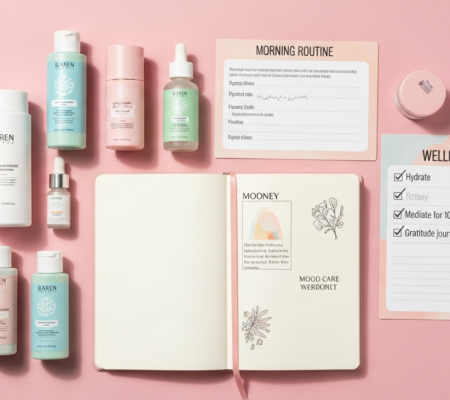
While immediate coping mechanisms and proactive work strategies are essential, they are most effective when built upon a strong foundation of holistic self-care. At Sometimes Daily, we believe self-care isn’t a luxury; it’s a necessity, especially for women navigating the demands of modern life. A well-rounded self-care routine is your ultimate defense against anxiety, a continuous investment in your mental, emotional, and physical well-being.
How To Create Self Care Routine: More Than Just Bubble Baths
Creating an effective self-care routine is about intentionally incorporating habits that replenish your energy and soothe your spirit. It’s personalized, adaptable, and encompasses various aspects of your life.
- Prioritize Sleep: Quality sleep is non-negotiable for mental health. Aim for 7-9 hours per night. Establish a consistent sleep schedule, create a relaxing bedtime routine (e.g., dim lights, reading, warm bath), and optimize your sleep environment (dark, cool, quiet). Avoid screens an hour before bed.
- Nourish Your Body: A balanced diet fuels both your body and your brain. Focus on whole foods, lean proteins, healthy fats, and plenty of fruits and vegetables. Hydration is also key; drink plenty of water throughout the day. Minimize processed foods, excessive sugar, and caffeine, which can exacerbate anxiety symptoms.
- Move Your Body Regularly: Physical activity is a powerful stress reliever. Whether it’s a brisk walk, yoga, dancing, cycling, or strength training, find an activity you enjoy and make it a regular part of your week. Even short bursts of movement can release endorphins and reduce tension.
- Practice Digital Detox: Constant connectivity can be draining. Schedule regular breaks from screens – an hour before bed, during meals, or for a few hours on weekends. Reconnect with the real world.
- Engage in Hobbies and Creative Pursuits: Dedicate time to activities that bring you joy and allow for self-expression. This could be painting, gardening, learning an instrument, writing, or anything that helps you unwind and feel fulfilled outside of work.
- Mindfulness and Meditation: Regular practice, even for 5-10 minutes a day, can train your brain to be less reactive to stress. Apps like Calm or Headspace offer guided meditations that are perfect for beginners.
- Connect with Loved Ones: Strong social connections are vital for mental well-being. Make time for friends and family who uplift and support you.
- Journaling: Writing down your thoughts and feelings can be incredibly therapeutic. It helps process emotions, gain perspective, and identify patterns in your anxiety.
Best Wellness Habits Women Over 30 Should Embrace for Long-Term Calm
As women navigate their 30s and beyond, the demands often intensify, making deliberate wellness habits even more crucial. These habits are not just about managing anxiety but about thriving and building long-term resilience:
- Regular Health Check-ups: Prioritize annual physicals, screenings, and hormone checks. Imbalances can sometimes mimic or worsen anxiety symptoms. Being proactive about your physical health is a foundational wellness habit.
- Mindful Eating & Gut Health: Beyond just ‘what’ you eat, ‘how’ you eat matters. Practice mindful eating – savoring your food, listening to your body’s hunger and fullness cues. Focus on gut-healthy foods like probiotics and prebiotics, as a healthy gut biome is increasingly linked to mental well-being.
- Strength Training: Beyond cardio, incorporating strength training helps build bone density (crucial for women), improves metabolism, boosts mood, and provides a sense of empowerment. It’s a fantastic way to manage stress and build physical resilience.
- Deliberate Stress Management Techniques: Go beyond just reacting to stress. Actively incorporate practices like yoga, Tai Chi, deep tissue massage, or regular nature walks into your routine. These are proactive investments in your nervous system’s health.
- Financial Wellness: Financial stress is a huge anxiety trigger. Develop a clear understanding of your finances, set budgets, save for the future, and seek professional advice if needed. Gaining control over your money can significantly reduce a major source of worry.
- Continual Learning & Growth: Engage your brain with new challenges, whether it’s learning a new skill, reading diverse perspectives, or pursuing further education. This keeps your mind sharp and fosters a sense of purpose and accomplishment.
Physical Wellness & Its Impact on Mental State: Nurturing Your Skin as Self-Care
The connection between physical well-being and mental health is undeniable. Our skin, often the first indicator of internal stress, provides a unique opportunity for self-care.
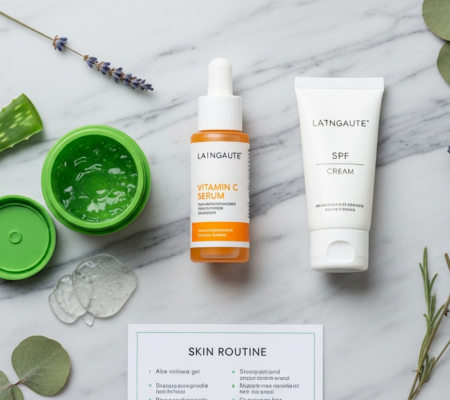
Stress hormones like cortisol can trigger inflammation, leading to various skin concerns, including breakouts, dullness, and exacerbated conditions like eczema or rosacea. This is where a mindful approach to skincare becomes more than just aesthetics; it transforms into a calming ritual, a moment of intentional self-care that directly combats the physical manifestations of anxiety.
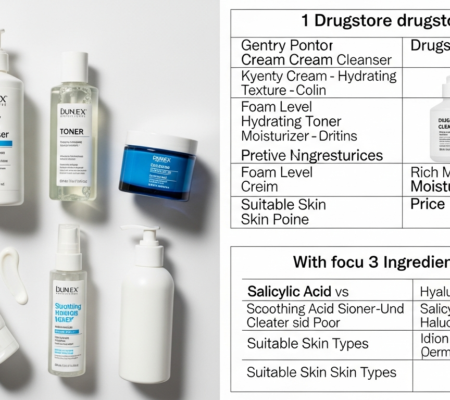
For those with Best Skincare Routine Acne Prone Skin, the impact of stress can be particularly frustrating. Anxiety can lead to increased oil production, inflammation, and even picking at blemishes, creating a vicious cycle. Incorporating a consistent, gentle skincare routine can be a grounding practice:
- The Ritual of Cleansing: Mindfully cleansing your face at the beginning or end of your day can be a calming transition. Focus on the sensation of warm water and gentle cleanser, washing away not just dirt but the day’s stresses.
- Applying Serums & Moisturizers: Take your time to gently massage in your serums and moisturizers. The act of touching your face with intention can be incredibly soothing. Choose products with calming ingredients like niacinamide or hyaluronic acid for acne-prone skin, which can help reduce inflammation and support the skin barrier.
- Masking Moments: A weekly clay or hydrating mask isn’t just for skin benefits; it’s a dedicated 15-20 minutes of stillness and self-attention. Pair it with deep breathing or quiet music for maximum relaxation.
By weaving a thoughtful skincare routine into your self-care practice, you’re not only addressing potential stress-induced skin issues but also creating consistent moments of calm and control. These small, deliberate acts of nurturing your physical self contribute significantly to your overall mental and emotional resilience, helping you cope with anxiety at work and stay calm, inside and out.
When to Seek Professional Support for Workplace Anxiety
While self-care strategies and proactive measures are incredibly powerful, there are times when workplace anxiety becomes overwhelming and persistent, indicating a need for professional intervention. Recognizing these signs and knowing when to reach out is a crucial aspect of responsible self-care and long-term well-being.
Recognizing Persistent Symptoms That Signal a Need for Help
It’s important to differentiate between normal levels of work-related stress and anxiety that has become debilitating. Consider seeking professional help if you experience any of the following:
- Symptoms Interfering with Daily Functioning: If your anxiety makes it difficult to concentrate, perform tasks, meet deadlines, or interact effectively with colleagues, it’s a red flag. This includes persistent procrastination, avoidance of work tasks, or significant dips in productivity.
- Chronic Physical Symptoms: Ongoing headaches, digestive problems, muscle tension, fatigue, or sleep disturbances that don’t improve with self-care warrant professional attention. Your body is sending a strong signal.
- Intense Emotional Distress: If you frequently experience panic attacks, overwhelming feelings of dread, uncontrollable worry, persistent irritability, or sadness related to work, these are signs that you might benefit from external support.
- Changes in Behavior or Mood: Withdrawing from social activities, increased reliance on unhealthy coping mechanisms (e.g., excessive drinking, overeating), or a pervasive sense of hopelessness are serious indicators.
- Anxiety Spilling Over into Personal Life: If your work anxiety is constantly impacting your relationships, personal life, or ability to enjoy activities outside of work, it’s time to consider getting help.
- Self-Care Strategies Are Insufficient: You’ve diligently implemented various self-care routines, but your anxiety remains severe or is worsening. This doesn’t mean you’ve failed; it means you need a different level of support.
Types of Professional Support Available
A range of professionals can help you navigate workplace anxiety:
- Therapists/Counselors: A licensed therapist (e.g., a psychologist, licensed professional counselor, or social worker) can provide talk therapy.
- Cognitive Behavioral Therapy (CBT): Helps identify and change negative thought patterns and behaviors contributing to anxiety.
- Acceptance and Commitment Therapy (ACT): Focuses on accepting difficult thoughts and feelings, and committing to actions aligned with your values.
- Exposure Therapy: For specific phobias or intense anxiety triggers, helps you gradually confront fears in a safe environment.
They can also help you develop personalized coping strategies and communication skills.
- Psychiatrists: These are medical doctors who specialize in mental health. They can diagnose mental health conditions and prescribe medication if appropriate, often working in conjunction with a therapist.
- Coaches (Career or Executive): While not therapists, coaches can provide valuable support in developing professional skills, managing stress, improving time management, and navigating career transitions, which can indirectly alleviate work-related anxiety.
- Human Resources (HR) Department: Your HR department can offer resources, discuss workplace accommodations, mediate conflicts, or provide information on employee assistance programs (EAPs) which often include free counseling sessions.
- Medical Doctor (GP/PCP): Your primary care physician can rule out any underlying physical health issues that might be contributing to your anxiety and can refer you to mental health specialists.
Overcoming the Stigma of Seeking Help
Despite growing awareness, a stigma around mental health support persists, especially in professional settings. Remember that seeking help for anxiety is a sign of strength, not weakness. It demonstrates self-awareness and a commitment to your long-term health and career sustainability. Just as you would seek help for a physical ailment, your mental health deserves the same attention and care. Many successful professionals utilize therapy and coaching to maintain their edge and well-being. Prioritizing your mental health ensures you can show up as your best self, both at work and in life.
Cultivating a Mindset of Calm and Control
Beyond specific techniques and routines, developing a mindset that fosters calm and a sense of control is paramount for long-term well-being in the workplace. This involves shifting your internal narrative, embracing self-compassion, and reframing your relationship with challenges. It’s an ongoing practice, not a one-time fix, that empowers you to navigate stress with greater ease and confidence.
Practicing Self-Compassion: Be Your Own Ally
In high-pressure work environments, it’s easy to fall into a trap of self-criticism and perfectionism. Practicing self-compassion means treating yourself with the same kindness, understanding, and support you would offer a good friend.
- Acknowledge Your Struggle: When you feel anxious or make a mistake, acknowledge the difficulty without judgment. Instead of “I’m so stupid for messing that up,” try “This is a challenging moment, and it’s okay to feel stressed.”
- Recognize Common Humanity: Remind yourself that you’re not alone in experiencing anxiety or making errors. Many, if not all, professionals face similar struggles. This reduces feelings of isolation.
- Offer Yourself Kindness: Engage in self-soothing behaviors. This could be a gentle touch (hand on heart), a comforting internal dialogue, or taking a short, compassionate break.
- Release the Need for Perfection: Understand that perfection is an illusion and an exhausting pursuit. Aim for excellence, but accept that mistakes are part of the learning process.
Reframing Negative Thoughts: Shifting Your Perspective
Anxiety often stems from negative or catastrophic thinking patterns. Learning to identify and reframe these thoughts can significantly alter your emotional response.
- Identify Thought Distortions: Become aware of common cognitive distortions like “all-or-nothing” thinking (e.g., “If I don’t get this promotion, my career is over”), catastrophizing (e.g., “This small mistake will lead to me getting fired”), or overgeneralization (e.g., “I failed at this task, so I’m bad at everything”).
- Challenge the Thought: Once identified, question the validity of the negative thought. Is it 100% true? What evidence supports it? What evidence contradicts it?
- Find an Alternative Perspective: Actively seek out a more balanced, realistic, or even positive interpretation. Instead of “This presentation will be a disaster,” try “I’ve prepared well, and even if there are hiccups, I can handle them. It’s an opportunity to share my work.”
- Focus on What You Can Control: Anxiety often arises from worrying about things beyond your control. Redirect your energy to actionable steps within your influence. If a deadline is tight, focus on prioritizing tasks rather than worrying about the outcome.
Celebrating Small Wins: Fueling Positivity
In the relentless pace of work, it’s easy to overlook accomplishments and focus only on the next challenge. Intentionally celebrating small wins can boost your morale and reinforce a positive mindset.
- Acknowledge Accomplishments: At the end of each day or week, take a few minutes to list what you achieved, no matter how small. Did you complete a difficult task? Have a productive meeting? Help a colleague?
- Reward Yourself: Small, healthy rewards can reinforce positive behavior and provide a sense of satisfaction. This could be a short break, a favorite cup of tea, a walk in nature, or simply a moment of quiet reflection.
- Share Your Successes: Don’t be shy about sharing your achievements with trusted colleagues, friends, or family. External validation can be a powerful motivator and mood booster.
Embracing Imperfection and Growth: The Journey, Not Just the Destination
Cultivating a mindset that embraces imperfection and views challenges as opportunities for growth is fundamental to managing anxiety. Work is a journey of continuous learning, and setbacks are inevitable.
- Adopt a Growth Mindset: Believe that your abilities and intelligence can be developed through dedication and hard work. See challenges as opportunities to learn and improve, rather than as threats to your self-worth.
- Learn from Mistakes, Don’t Dwell: When things go wrong, analyze what happened, extract the lesson, and then move forward. Dwelling on errors without constructive action only fuels anxiety.
- Practice Patience: Building resilience and a calm mindset takes time and consistent effort. Be patient with yourself, celebrate progress, and understand that there will be good days and challenging days.
By consciously integrating these mindset shifts into your daily work life, you’ll not only learn to cope with anxiety more effectively but also cultivate a deeper sense of inner calm, control, and fulfillment, ensuring your professional life is sustainable and genuinely rewarding in 2026 and beyond.
Frequently Asked Questions
Recommended Resources
You might also enjoy French Girl Style Guide Wardrobe Essentials from Fashion Goggled.
Learn more about this topic in Morning Routine Ideas For Women at Rock Salt Plum.