
Understanding Self-Care Beyond the Buzzwords
Before we dive into the ‘how,’ it’s crucial to redefine what self-care truly means. It’s often misunderstood as purely hedonistic or a quick fix for stress. In reality, self-care is any intentional action you take to care for your physical, mental, and emotional health. It’s not selfish; it’s essential. Think of it as preventative maintenance for your most valuable asset: yourself. Without it, you risk burnout, diminished mental clarity, and a general decline in well-being. An effective self-care routine is proactive, not reactive. It’s about building resilience and capacity, rather than just recovering from exhaustion.
For too long, women, in particular, have been conditioned to prioritize the needs of others above their own. The societal expectation to be everything to everyone – the perfect employee, partner, mother, friend – often leaves little room for personal replenishment. Recognizing this pervasive pattern is the first step in reclaiming your right to self-care. It’s a declaration that your well-being matters, not just for your own sake, but for the quality of your relationships and your ability to contribute meaningfully to the world around you. This isn’t about adding another item to your to-do list; it’s about shifting your mindset to view self-care as a fundamental component of a balanced, fulfilling life.
Furthermore, self-care is deeply personal. What works for one person may not work for another. There’s no universal blueprint, which is why a ‘one-size-fits-all’ approach often fails. The key is to understand your unique needs, preferences, and limitations, and then to design practices that genuinely resonate with you and provide tangible benefits. It’s about listening to your inner wisdom and recognizing the signals your body and mind send when they need attention. This often requires a degree of introspection and self-awareness that can feel challenging at first, but with practice, it becomes an intuitive part of your daily rhythm.
Assessing Your Current Landscape: Where Are You Now?
Before you can build an effective self-care routine, you need to understand your starting point. Take a moment to honestly assess your current lifestyle, energy levels, and areas of stress. This isn’t about judgment; it’s about gaining clarity. Ask yourself:
- What are my biggest energy drains? (e.g., demanding job, toxic relationships, lack of sleep, excessive screen time)
- What activities genuinely make me feel good and energized? (e.g., spending time in nature, reading, a specific hobby, connecting with loved ones)
- Where do I currently feel a deficit in my well-being? (e.g., chronic fatigue, anxiety, physical discomfort, feeling disconnected)
- How much time do I realistically have for myself each day or week? (Be honest, even if it’s just 15 minutes)
- What are my biggest obstacles to practicing self-care? (e.g., guilt, lack of time, financial constraints, feeling overwhelmed)
Consider a holistic view of your life. Are you nourishing your body with nutritious food? Are you moving regularly? Is your sleep consistent and restorative? Are your relationships supportive? Do you have outlets for creative expression or intellectual stimulation? By taking stock of these different dimensions, you can identify the specific areas that are most in need of attention. This diagnostic phase is critical for ensuring your self-care routine is targeted and effective, rather than a collection of random activities that don’t truly address your core needs.
For many women over 30, this assessment might reveal new challenges related to hormonal shifts, increased responsibilities, or a re-evaluation of life priorities. What worked in your twenties might not be sufficient now. This self-assessment is an ongoing process, not a one-time event. Life changes, and so too should your self-care strategy. Periodically revisiting these questions will help you keep your routine relevant and responsive to your evolving needs and circumstances. It’s about cultivating a dynamic approach to well-being that grows and adapts with you through every season of life, ensuring your self-care truly works for you in the long run.
The Pillars of an Effective Self-Care Routine
Physical Wellness
This pillar focuses on nurturing your body, which is the vessel through which you experience life. It’s foundational, as a healthy body provides the energy and resilience needed to support mental and emotional well-being.
- Nutrition: Fuel your body with whole, nutrient-dense foods. Focus on fruits, vegetables, lean proteins, and healthy fats. Hydration is also key; make sure you’re drinking enough water throughout the day. Consider consulting a nutritionist if you have specific dietary concerns or goals.
- Movement: Regular physical activity is vital, not just for physical health but also for mental clarity and stress reduction. This doesn’t mean you need to train for a marathon. Find activities you genuinely enjoy – walking, yoga, dancing, swimming, strength training. Aim for consistency over intensity. For Best Wellness Habits Women Over 30, incorporating weight-bearing exercises is particularly important for bone density, and practices like Pilates or yoga can support core strength and flexibility, crucial for preventing common aches and pains that emerge with age.
- Sleep: Prioritize 7-9 hours of quality sleep per night. Establish a consistent sleep schedule, create a relaxing bedtime routine, and optimize your sleep environment (dark, quiet, cool). Sleep deprivation has profound negative impacts on mood, cognitive function, and physical health.
- Hygiene & Grooming: Beyond basic cleanliness, these can be powerful self-care rituals. A warm shower, a luxurious bath, or taking time for a mindful skincare routine can be incredibly grounding. For those seeking the Best Skincare Routine Acne Prone Skin, this means committing to gentle cleansing twice daily, using non-comedogenic products, incorporating active ingredients like salicylic acid or benzoyl peroxide as needed, and never skipping SPF. Consistency here is key, transforming a chore into a moment of self-connection.
- Medical Care: Regular check-ups, preventative screenings, and addressing any health concerns promptly are critical aspects of physical self-care. Don’t neglect your doctor’s appointments.
Mental & Emotional Well-being
This pillar addresses your thoughts, feelings, and overall psychological health. It’s about managing stress, cultivating positive emotions, and fostering mental resilience.
- Mindfulness & Meditation: Learning What Is Mindfulness How To Practice can be transformative. Mindfulness is the practice of being present and fully engaged in the current moment, without judgment. Simple ways to practice include mindful breathing (focusing on your breath for a few minutes), mindful eating (savoring each bite), or a body scan meditation. Regular practice can reduce anxiety, improve focus, and enhance emotional regulation.
- Stress Management Techniques: Identify your stressors and develop healthy coping mechanisms. This could include deep breathing exercises, journaling, spending time in nature, or listening to calming music.
- Emotional Processing: Allow yourself to feel and process emotions, rather than suppressing them. This might involve talking to a trusted friend, therapist, or journaling to explore your feelings.
- Learning & Growth: Engage your mind with activities that stimulate curiosity and learning. Read books, learn a new skill, listen to podcasts, or take an online course.
- Digital Detox: Regularly unplug from screens and social media. Excessive digital consumption can lead to comparison, anxiety, and sleep disruption. Set boundaries for screen time.
Social Connection
Humans are social creatures, and meaningful connections are vital for our well-being. This pillar focuses on nurturing your relationships and fostering a sense of belonging.
- Quality Time with Loved Ones: Prioritize spending time with friends, family, or partners who uplift and support you. Engage in activities that foster genuine connection.
- Setting Boundaries: Learn to say no to commitments that drain your energy or don’t align with your values. Protect your time and energy from draining relationships.
- Community Engagement: Get involved in groups or activities that align with your interests, whether it’s a book club, a volunteer organization, or a fitness class.
- Solo Time: While social connection is important, so is healthy solitude. Make time for quiet reflection and self-recharge, especially if you’re an introvert.
Spiritual/Purposeful Engagement
This pillar speaks to your sense of meaning, purpose, and connection to something larger than yourself. It doesn’t necessarily have to be religious; it can be about your values, passions, or contributions to the world.
- Reflection & Introspection: Spend time thinking about your values, goals, and what truly matters to you. Journaling can be a powerful tool for this.
- Practicing Gratitude: Regularly acknowledge the good things in your life. Keeping a gratitude journal can shift your perspective towards positivity.
- Connecting with Nature: Spending time outdoors can be incredibly grounding and help foster a sense of awe and connection.
- Creative Expression: Engage in activities that allow you to express yourself – art, music, writing, gardening, cooking.
- Volunteering & Contribution: Giving back to your community or supporting causes you care about can provide a deep sense of purpose and fulfillment.
Crafting Your Personalized Self-Care Strategy
Now that you understand the pillars, it’s time to build your unique routine. Remember, this is a dynamic process, not a rigid checklist. The goal is sustainability and genuine benefit.
Start Small, Be Realistic
Don’t try to overhaul your entire life overnight. Choose one or two small, manageable self-care activities from each pillar that you can realistically commit to daily or weekly. For example, instead of aiming for an hour of meditation, start with five minutes of mindful breathing. Instead of planning a gourmet meal every night, focus on adding one extra serving of vegetables to your dinner. Small wins build momentum and confidence. Over time, these small actions accumulate into significant positive changes. Trying to do too much too soon often leads to feeling overwhelmed and giving up altogether. The aim here is consistency, not perfection.
Consider your current life stage and responsibilities. A busy working mother with young children will have different capacities for self-care than someone with more free time. Be compassionate with yourself and design a routine that is genuinely achievable within your current circumstances. As your life evolves, so too can your self-care practices. The key is to find what feels good and sustainable right now, rather than striving for an idealized version of self-care that may not be practical in 2026.
Schedule It Like a Non-Negotiable
If it’s not on your calendar, it’s less likely to happen. Treat your self-care activities with the same importance as any other appointment. Block out specific times in your day or week for these practices. This could be a 15-minute morning routine, a lunchtime walk, or an evening wind-down ritual. When you intentionally carve out this time, you’re sending a powerful message to yourself that your well-being is a priority. This strategy helps combat the common excuse of “not having enough time” by proactively integrating self-care into your schedule, making it a natural and expected part of your day.
For many women juggling multiple roles, scheduling self-care can feel like an indulgence. However, it’s a strategic investment in your capacity to handle everything else. Think of it as charging your own battery. Just as you wouldn’t expect your phone to function all day without a charge, you can’t expect yourself to operate optimally without regular replenishment. By scheduling these moments, you’re not just finding time for self-care; you’re creating it, and thereby safeguarding your energy and mental reserves against the inevitable demands of modern life.
Embrace Flexibility and Adaptability
Life happens. There will be days when your perfectly planned routine goes awry. Don’t let this derail your entire effort. Instead of viewing it as a failure, see it as an opportunity for flexibility. If you miss your morning meditation, try a short mindful moment during your lunch break. If you can’t get to the gym, take a brisk walk around the block. The goal is progress, not perfection. A self-care routine that actually works is one that can bend without breaking, adapting to the ebb and flow of your daily life. This resilience is what makes a routine sustainable in the long term.
Your needs will also change over time. What brings you joy and comfort today might not be as effective six months from now. Regularly check in with yourself and assess if your current practices are still serving you. Be willing to experiment, swap out activities, and adjust your routine as needed. This iterative process ensures your self-care remains relevant and effective, evolving alongside you as you navigate different seasons of life and new challenges that may arise in 2026 and beyond.
Incorporate Mindfulness (Reference “What Is Mindfulness How To Practice”)
Mindfulness is a superpower for self-care. It’s not just about formal meditation; it’s about bringing conscious awareness to everyday activities. When you understand What Is Mindfulness How To Practice, you unlock a powerful tool for enhancing almost any self-care activity. Whether you’re drinking your morning coffee, washing dishes, or taking a walk, practice noticing the sensations, sounds, and sights without judgment. This simple shift can transform mundane tasks into moments of peace and presence.
For example, instead of rushing through your morning routine, try mindful brushing of your teeth, paying attention to the feel of the brush, the taste of the toothpaste. Or, if you’re engaging in your skincare routine, truly focus on the sensations of the products on your skin. These small pockets of mindfulness throughout your day can significantly reduce stress and increase your overall sense of well-being. It helps you stay grounded and centered, even when life feels chaotic, making your self-care routine more impactful and deeply satisfying.
Integrating Beauty & Wellness into Your Routine
Self-care often overlaps beautifully with beauty and wellness practices. These aren’t superficial additions but integral components that contribute to your overall sense of well-being, confidence, and health.
Skincare as Self-Care (Reference “Best Skincare Routine Acne Prone Skin”)
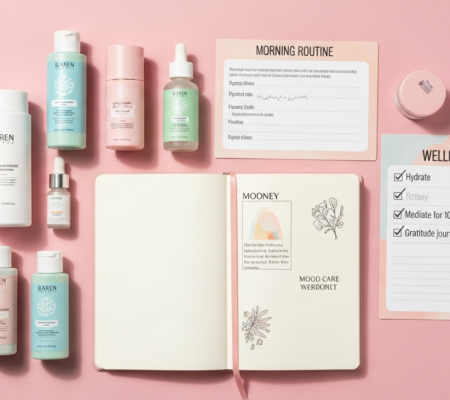
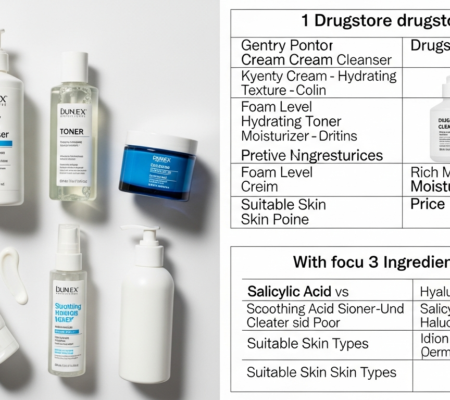
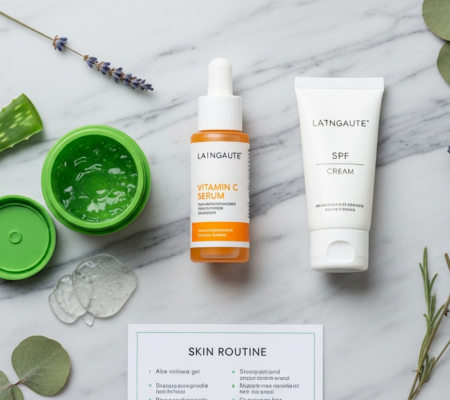
Your skin is your body’s largest organ, and caring for it is a vital aspect of physical self-care. A consistent skincare routine can be a calming, meditative ritual that provides tangible benefits. For those managing acne prone skin, a well-thought-out routine is not just about aesthetics; it’s about comfort, confidence, and preventing further irritation. The Best Skincare Routine for Acne Prone Skin typically involves:
- Gentle Cleansing: Use a mild, non-stripping cleanser twice daily to remove impurities without exacerbating breakouts. Harsh cleansers can strip the skin and trigger more oil production.
- Targeted Treatments: Incorporate active ingredients such as salicylic acid (BHA) to exfoliate within pores, benzoyl peroxide to kill acne-causing bacteria, or retinoids (prescribed or over-the-counter) to promote cell turnover. Introduce these slowly to avoid irritation.
- Hydration: Even oily or acne-prone skin needs moisture. Choose a lightweight, non-comedogenic moisturizer to maintain the skin barrier and prevent dryness, which can actually worsen acne.
- Sun Protection: Daily use of a broad-spectrum, non-comedogenic SPF 30+ is crucial. Sun exposure can worsen post-inflammatory hyperpigmentation (dark spots left by acne) and compromise skin health.
- Consistency: Skincare results take time. Adhere to your routine diligently for several weeks before expecting to see significant changes. This consistency itself becomes a form of discipline and self-care.
Beyond the products, the ritual of skincare provides a moment to slow down, focus on yourself, and engage your senses. It’s a small act of self-love that can have a big impact on how you feel. By making it a mindful practice, you elevate it beyond a chore into a truly restorative part of your day.
Holistic Wellness Habits (Reference “Best Wellness Habits Women Over 30”)
As women move into their 30s and beyond, the focus of wellness often shifts to preventative care, hormonal balance, and long-term health. Integrating specific habits tailored to this stage of life is crucial for a self-care routine that truly works. Here are some of the Best Wellness Habits for Women Over 30 to consider for 2026:
- Strength Training: Crucial for maintaining muscle mass, bone density, and metabolism, which naturally decline with age. Aim for 2-3 sessions per week.
- Prioritizing Gut Health: A healthy gut impacts everything from digestion and immunity to mood. Incorporate probiotics (fermented foods or supplements) and plenty of fiber-rich foods.
- Hormonal Awareness: Understand your menstrual cycle and how it impacts your energy, mood, and skin. Consider tracking it and adjusting your self-care practices accordingly. Discuss any concerns with your doctor.
- Stress Resilience: Beyond basic stress management, build resilience through practices like yoga, meditation, or spending time in nature. Chronic stress has a significant impact on hormonal health and overall well-being.
- Regular Health Screenings: Don’t skip annual physicals, mammograms (as recommended), Pap tests, and other screenings vital for early detection and prevention.
- Mindful Eating & Nutrient Density: Focus on eating whole, unprocessed foods that provide maximum nutritional value to support energy levels and cellular health. Pay attention to hunger and fullness cues.
- Cognitive Engagement: Keep your brain active with puzzles, learning new languages, reading, or creative pursuits to maintain cognitive function as you age.
These habits, when woven into your daily and weekly self-care routine, create a robust foundation for enduring health and vitality. They move beyond reactive measures to proactive strategies that support you comprehensively.
Sustaining Your Self-Care Journey
Creating a self-care routine is one thing; sticking to it is another. Sustainability is the ultimate goal, ensuring your practices become ingrained habits that support you for the long haul.
- Be Patient with Yourself: Building new habits takes time and effort. There will be days when you feel motivated and days when you don’t. Don’t let a missed day turn into a missed week. Simply get back on track.
- Track Your Progress (if it helps): For some, journaling about how different self-care activities make them feel can be motivating. For others, simply checking off a box on a calendar provides a sense of accomplishment. Find what works for you without adding extra pressure.
- Celebrate Small Victories: Acknowledging your commitment and consistency, no matter how small the action, reinforces the positive behavior.
- Seek Support: Share your self-care goals with a trusted friend, partner, or therapist. Having an accountability partner can provide encouragement and motivation.
- Re-evaluate Regularly: As mentioned, your needs will change. Schedule a quarterly “self-care audit” to review what’s working, what’s not, and what adjustments you might need to make for 2026 and beyond. This ensures your routine remains fresh, relevant, and truly effective for your evolving self.
- Cultivate Self-Compassion: The journey of self-care is not about achieving perfection, but about extending kindness and understanding to yourself. Treat yourself with the same care and encouragement you would offer a dear friend. When challenges arise, respond with warmth and non-judgment, recognizing that self-care is a continuous practice of nurturing your inner world.
Ultimately, a self-care routine that actually works isn’t a destination; it’s a lifelong journey of self-discovery and intentional well-being. By embracing these principles, you’re not just adding activities to your day; you’re investing in a more resilient, joyful, and fulfilling life. Prioritize yourself, and watch as every other aspect of your life begins to flourish.
Frequently Asked Questions
Recommended Resources
Explore Benefits Of Walking Daily for additional insights.
You might also enjoy Natural Skincare Tips For Glowing Skin from Veralyn Media.
From Our Network
- best white sneakers for women 2026 (en Fashiongoggled)
- how to style a bookshelf (en Rocksaltplum)
- perimenopause symptoms and how to manage them (en Veralynmedia)