


Understanding Your Mental Health Landscape: Breaking the Silence
Before we can tend to our mental health, we must first understand what it truly means and why it’s so important to talk about it. Mental health encompasses our emotional, psychological, and social well-being. It affects how we think, feel, and act. It also helps determine how we handle stress, relate to others, and make choices. Just like our physical health, our mental health can fluctuate, experiencing periods of strength and periods of vulnerability. For too long, there has been a lingering stigma around mental health challenges, often leading women to suffer in silence, feeling shame or guilt for emotions that are entirely human. It’s time to dismantle this stigma, starting within ourselves and our immediate communities. Acknowledging that you’re struggling is not a sign of weakness; it’s a profound act of courage and self-awareness. It means you are attuned to your inner signals and ready to invest in your most precious asset: yourself.
Recognizing the signs that your mental health might need extra attention is the first crucial step. These signs can be subtle, manifesting as persistent fatigue even after rest, changes in appetite or sleep patterns, a loss of interest in activities you once loved, increased irritability, difficulty concentrating, or a pervasive sense of worry or sadness. It’s important to differentiate between a bad day and a persistent pattern. If these feelings or behaviors last for more than a couple of weeks and interfere with your daily life, it’s a clear signal to pause and assess. We often push through these signals, telling ourselves to “just get over it” or “it’s not that bad.” But ignoring these whispers can lead to louder shouts from your mind and body. Think of it like a car warning light – you wouldn’t ignore the check engine light indefinitely, so why treat your internal warning signals any differently? Embrace self-compassion and curiosity about your inner world. Journaling can be an incredibly powerful tool here, allowing you to track your moods, identify triggers, and gain clarity on what might be causing distress. This self-observation empowers you to take proactive steps rather than reactive ones, fostering a deeper connection with your emotional self. Remember, your feelings are valid, and seeking understanding is the pathway to healing and growth.
Building a Strong Foundation: Lifestyle Habits for Mental Wellness

Just as a sturdy house requires a strong foundation, robust mental health is built upon consistent, supportive lifestyle habits. These aren’t just “nice-to-haves”; they are essential pillars that directly impact your brain chemistry, mood regulation, and stress resilience. Neglecting these basics can leave you feeling drained, overwhelmed, and more susceptible to mental health challenges. Let’s explore how these fundamental elements intertwine with your psychological well-being.
The Power of Sleep: Rest for Your Mind
In our always-on culture, sleep is often the first thing to be sacrificed. Yet, adequate, quality sleep is non-negotiable for mental health. During sleep, your brain processes information, consolidates memories, and clears out toxins. Chronic sleep deprivation can exacerbate anxiety, depression, irritability, and difficulty concentrating. Aim for 7-9 hours of quality sleep per night. Establish a consistent sleep schedule, create a calming bedtime routine (think warm bath, reading, gentle stretching), and optimize your sleep environment (dark, quiet, cool). Cut down on screen time before bed, as the blue light can disrupt melatonin production. Prioritizing sleep isn’t lazy; it’s a powerful act of self-care that recharges your mind and body, preparing you to face the day with clarity and emotional stability.
Nourishing Your Brain: Food as Fuel
What you eat directly impacts how you feel. Your brain consumes a significant amount of your body’s energy and relies on a steady supply of nutrients to function optimally. A diet rich in whole foods – fruits, vegetables, lean proteins, and healthy fats – can stabilize blood sugar, reduce inflammation, and provide the building blocks for neurotransmitters like serotonin and dopamine, which regulate mood. Conversely, diets high in processed foods, sugar, and unhealthy fats can lead to energy crashes, mood swings, and even contribute to symptoms of depression and anxiety. Consider incorporating omega-3 fatty acids (found in salmon, flaxseed, walnuts), B vitamins, and magnesium, all known for their brain-boosting and mood-stabilizing properties. Hydration is equally vital; even mild dehydration can impair cognitive function and mood. Sip water throughout the day. Paying attention to your nutrition is a tangible way to support your mental health from the inside out, and it’s a key component of overall wellness, much like the Tips For Lowering Your Blood Pressure we’ve shared, emphasizing the interconnectedness of physical and mental well-being.
Movement as Medicine: Exercise for Your Mood
You don’t need to become an Olympic athlete to reap the mental health benefits of exercise. Regular physical activity is a potent antidote to stress, anxiety, and depression. When you move your body, it releases endorphins, natural mood elevators that can provide a sense of euphoria and reduce pain. Exercise also reduces stress hormones like cortisol and adrenaline, improves sleep quality, boosts self-esteem, and can even stimulate the growth of new brain cells. Whether it’s a brisk walk, dancing in your living room, yoga, or lifting weights, find an activity you enjoy and make it a consistent part of your routine. Aim for at least 30 minutes of moderate-intensity exercise most days of the week. Even short bursts of movement, like stretching or walking around the block, can make a significant difference. Remember, the goal isn’t perfection, but consistent engagement. Move your body, lift your spirits.
The Power of Connection: Nurturing Relationships and Community
Cultivating Authentic Connections: Quality Over Quantity
It’s not about how many followers you have on social media; it’s about the depth and authenticity of your real-life connections. Invest time and energy into relationships that uplift you, challenge you positively, and make you feel seen and heard. This includes family, friends, and even colleagues who become like family. Schedule regular catch-ups, whether it’s a coffee date, a phone call, or a shared activity. Be present when you are with others, putting away distractions and truly listening. Sharing your thoughts, feelings, and experiences with trusted individuals can reduce feelings of loneliness and provide different perspectives on your challenges. Genuine connection is a two-way street; be willing to offer support as well as receive it. These connections are vital not just for emotional support, but also for intellectual stimulation and a sense of shared humanity.
Setting Healthy Boundaries: Protecting Your Energy
While connection is crucial, it’s equally important to protect your personal energy by setting healthy boundaries. This means learning to say no to requests that overextend you, limiting time with individuals who consistently drain your energy, and communicating your needs clearly and respectfully. Healthy boundaries are an act of self-love; they prevent resentment, burnout, and emotional fatigue. They ensure that your connections are mutually beneficial and respectful, rather than one-sided. Remember, you can’t pour from an empty cup, and protecting your energy allows you to show up more fully and authentically in the relationships that truly matter. This self-respect is key not just for your own peace of mind but also for building stronger, more sustainable relationships, much like the mindful effort you put into Surefire Ways To Impress Your Partner On Date Night, where mutual respect and understanding are paramount.
Engaging with Your Community: A Sense of Belonging
Beyond your inner circle, finding a sense of community can significantly boost your mental health. This could be through volunteering, joining a club or group based on a shared interest (book club, hiking group, art class), participating in local events, or even connecting with like-minded individuals online in supportive forums. A sense of belonging, contributing to something larger than yourself, and having a shared purpose can combat feelings of isolation and provide a powerful sense of meaning. It expands your perspective, introduces you to new ideas, and reminds you that you are part of a larger tapestry. These broader connections can provide different forms of support and enrichment, adding diverse layers to your social network and reinforcing your sense of value and place in the world.
Mindfulness & Stress Management: Techniques for Inner Calm
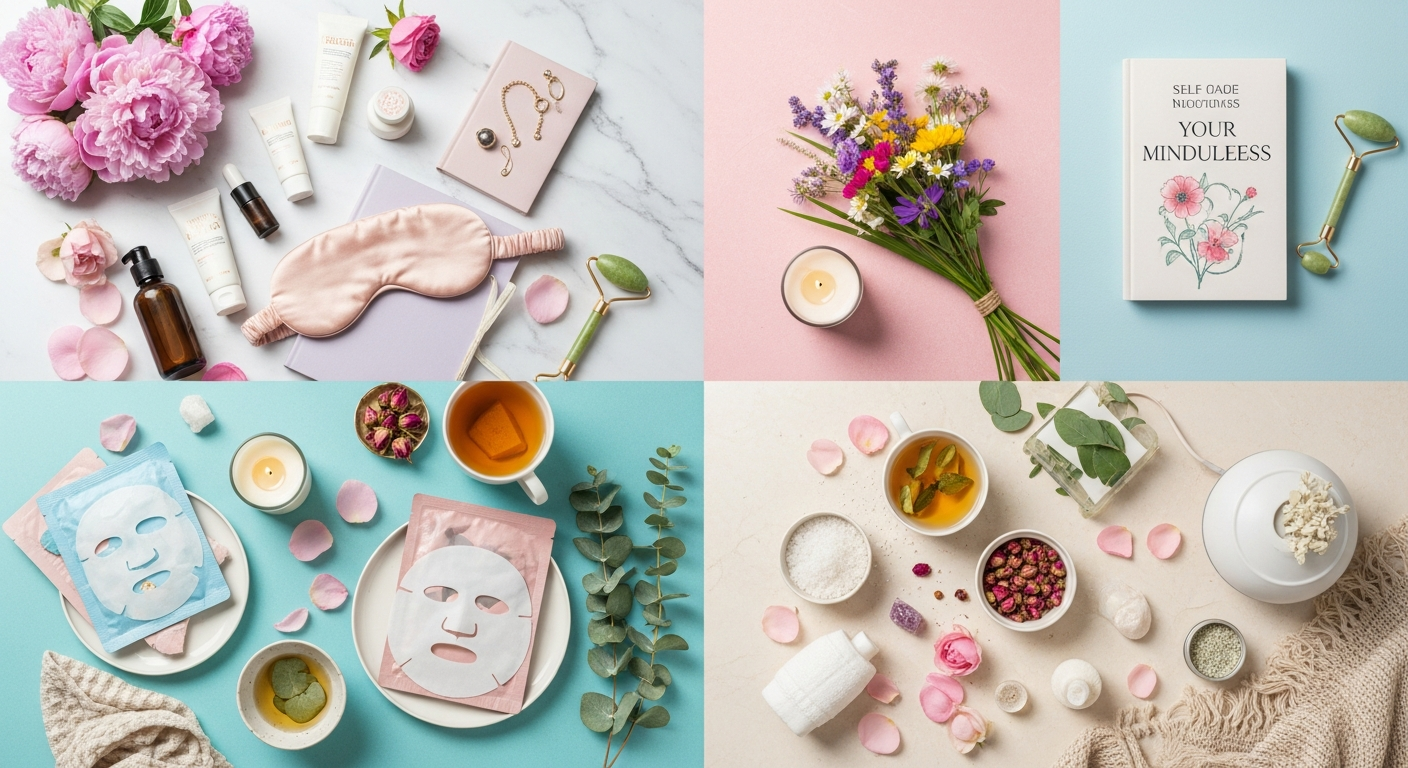
In our fast-paced world, stress has become an almost constant companion. While some stress is inevitable and even motivating, chronic stress can wreak havoc on our mental and physical health. It can lead to anxiety, depression, sleep disturbances, and a host of physical ailments. Developing effective stress management techniques and cultivating mindfulness are essential skills for navigating life’s pressures with greater ease and maintaining inner calm. These practices help us to pause, observe, and respond thoughtfully rather than react impulsively.
The Practice of Mindfulness: Being Present
Mindfulness is the practice of bringing your full attention to the present moment, observing your thoughts, feelings, and bodily sensations without judgment. It’s about noticing the subtle nuances of your experience – the warmth of your coffee cup, the sound of birdsong, the rhythm of your breath – rather than being caught in a loop of worry about the past or future. Regular mindfulness practice can actually rewire your brain, reducing activity in the amygdala (the brain’s fear center) and increasing activity in areas associated with attention and emotional regulation. Start small: dedicate a few minutes each day to mindful breathing. Sit comfortably, close your eyes, and simply observe your breath as it enters and leaves your body. When your mind wanders (and it will!), gently bring your attention back to your breath. There are many guided meditations available through apps and online resources that can help you begin this journey. The goal isn’t to stop thinking, but to observe your thoughts with a sense of detachment, preventing them from overwhelming you.
Deep Breathing Exercises: Instant Calming
Your breath is a powerful tool for instantly calming your nervous system. When you’re stressed, your breathing often becomes shallow and rapid. Deep, diaphragmatic breathing (belly breathing) signals to your body that it’s safe to relax. Try the 4-7-8 breathing technique: inhale deeply through your nose for a count of four, hold your breath for a count of seven, and exhale slowly through your mouth for a count of eight. Repeat this several times. You can use this technique anytime, anywhere – before a stressful meeting, when you feel anxious, or simply to center yourself during a busy day. It’s a quick, accessible way to shift from a state of fight-or-flight to one of calm and control.
Journaling: Processing Your Inner World
Putting your thoughts and feelings onto paper can be incredibly therapeutic. Journaling provides a safe, non-judgmental space to explore your inner landscape, process emotions, identify patterns, and gain clarity. It can help you release pent-up stress, challenge negative thought patterns, and even discover solutions to problems. You don’t need to be a skilled writer; simply write whatever comes to mind without censoring yourself. Try “free writing” for 10-15 minutes each day, or use prompts to guide you. Journaling can be a powerful form of self-reflection, helping you to understand yourself better and develop emotional intelligence. It’s an act of self-discovery, allowing you to truly hear your own voice.
Digital Detox: Unplugging to Reconnect
In our hyper-connected world, constant exposure to screens, social media, and news cycles can contribute to anxiety, comparison, and mental fatigue. Regularly unplugging is vital for mental health. Set boundaries for screen time, designate “no-phone zones” in your home, and schedule regular digital detox periods – even if it’s just for an hour or an evening. Use this time to engage in activities that nourish your soul: read a physical book, spend time in nature, pursue a hobby, or simply sit in silence. Disconnecting from the digital world allows you to reconnect with yourself, your loved ones, and the present moment, reducing overwhelm and fostering a sense of peace.
Embracing Self-Care as a Non-Negotiable: Your Personal Toolkit
Self-care is not selfish; it’s essential. It’s about consciously choosing activities that replenish your energy, soothe your soul, and maintain your overall well-being. Far from being an indulgence, self-care is a vital component of mental health maintenance, preventing burnout and fostering resilience. For many women, the idea of “treating yourself” often comes with a side of guilt, but it’s time to reframe this narrative. As we often say on Sometimes Daily, Treat Yourself: No One Loves You Like You Do, and this sentiment couldn’t be more true when it comes to mental health. Building your personal self-care toolkit is about identifying what truly recharges you and making space for it in your life.
Defining Your Self-Care: Beyond Bubble Baths
While a luxurious bubble bath can certainly be a form of self-care, it’s crucial to understand that self-care is highly personal and goes much deeper than superficial pampering. It’s about intentionally engaging in activities that nourish your mind, body, and spirit. For some, it might be an hour of quiet reading; for others, a vigorous hike; for yet others, it’s spending quality time with a loved one or pursuing a creative hobby. Your self-care toolkit should be diverse, addressing different aspects of your well-being. What makes you feel calm? What ignites your passion? What helps you feel grounded? Take time to reflect on these questions and curate a list of go-to activities that truly replenish you.
Prioritizing “Me Time”: Scheduling Your Well-being
In our busy lives, “me time” often feels like an impossible luxury. However, just like you schedule work appointments or family commitments, it’s vital to schedule time for yourself. Put it in your calendar and treat it as non-negotiable. This dedicated time signals to yourself that your well-being matters. It could be 15 minutes of meditation in the morning, an hour for a hobby in the evening, or a full afternoon once a week dedicated to personal pursuits. Protecting this time allows you to decompress, pursue interests that bring you joy, and simply exist without demands. It’s an investment in your mental reserves, ensuring you have enough energy and emotional capacity for all other aspects of your life.
The Art of Saying No: Protecting Your Boundaries
One of the most powerful acts of self-care is learning to say no. Women are often conditioned to be agreeable, to please others, and to take on more than they can handle. However, constantly overextending yourself leads to exhaustion, resentment, and a depletion of your mental resources. Saying no to an extra commitment, an unreasonable request, or an invitation that doesn’t genuinely excite you is not a sign of selfishness; it’s a sign of self-respect and self-preservation. It protects your time, energy, and mental space, allowing you to prioritize what truly matters and preventing burnout. This act of boundary-setting empowers you to create a life that feels manageable and aligned with your values.
Engaging Your Hobbies: Fueling Your Passion
Hobbies are a fantastic form of self-care that often get pushed aside when life gets busy. Engaging in activities purely for enjoyment – whether it’s painting, gardening, learning an instrument, writing, or crafting – provides an outlet for creativity, reduces stress, and fosters a sense of accomplishment and flow. When you’re immersed in a hobby, you often enter a state of “flow,” where time seems to disappear, and you are fully present and engaged. This can be incredibly restorative for your mind, offering a much-needed break from daily pressures and reigniting your sense of wonder and joy. Reconnecting with old hobbies or exploring new ones is a beautiful way to nurture your inner child and remind yourself of the simple pleasures in life.
Seeking Professional Support: When and How to Reach Out
While self-care, healthy habits, and strong connections are foundational, there are times when these alone aren’t enough, and professional support becomes a crucial element of looking after your mental health. Just as you wouldn’t hesitate to see a doctor for a persistent physical ailment, seeking help for mental health challenges is a sign of wisdom and strength, not weakness. Recognizing when you need a helping hand and knowing how to access it is a vital part of your well-being journey. It’s about being proactive and giving yourself the best possible chance to heal and thrive.
Recognizing the Need for Professional Help
How do you know if it’s time to talk to a professional? There are several indicators that suggest you might benefit from expert guidance. If your mental health challenges are significantly impacting your daily life – affecting your work, relationships, sleep, or ability to manage basic tasks – it’s a strong sign. If feelings of sadness, anxiety, hopelessness, or anger are persistent and overwhelming, or if you find yourself using unhealthy coping mechanisms (excessive drinking, emotional eating, isolation), it’s definitely time to reach out. Sometimes, you might just feel “off” or stuck, even if you can’t pinpoint why. A therapist can provide tools, strategies, and a safe space to explore these feelings, offering objective insights that friends or family might not be able to provide. They are trained to help you understand your patterns, process past experiences, and develop healthier ways of thinking and coping. Remember, you don’t have to hit rock bottom to seek help; early intervention can often prevent issues from escalating.
Exploring Different Types of Support
The landscape of mental health support is diverse, offering various avenues to find the right fit for you.
- Therapy/Counseling: This involves talking to a trained mental health professional (such as a psychologist, psychiatrist, licensed professional counselor, or social worker) in a confidential setting. Therapists use various approaches, like Cognitive Behavioral Therapy (CBT), Dialectical Behavior Therapy (DBT), or psychodynamic therapy, to help you understand your thoughts and behaviors, develop coping skills, and address underlying issues. Therapy can be short-term for specific issues or long-term for deeper exploration.
- Psychiatry: Psychiatrists are medical doctors who specialize in mental health. They can diagnose mental health conditions, prescribe medication, and provide talk therapy. If your symptoms are severe or persistent, or if medication might be beneficial, a psychiatrist can offer an integrated approach to treatment.
- Support Groups: These groups, often peer-led, provide a safe space for individuals facing similar challenges to share experiences, offer mutual support, and learn from one another. They can be a powerful complement to individual therapy, fostering a sense of community and reducing feelings of isolation.
- Crisis Lines and Hotlines: If you are experiencing an immediate mental health crisis or suicidal thoughts, please reach out to a crisis hotline immediately. These services are available 24/7 and can provide immediate support and resources.
Finding the Right Professional and Overcoming Barriers
Finding the right therapist or professional is a personal journey, and it’s okay to “shop around” until you find someone you feel comfortable and connected with. Look for someone with relevant experience, a treatment approach that resonates with you, and whom you feel you can trust. Ask for recommendations from your doctor, friends, or trusted community members, or use online directories. Many therapists offer a free initial consultation to see if it’s a good fit. Common barriers to seeking help include cost, stigma, and difficulty finding available appointments. Don’t let these deter you. Many therapists offer sliding scale fees, and some insurance plans cover mental health services. Telehealth options have also made therapy more accessible. Remember, investing in your mental health is one of the most valuable investments you can make in yourself. You deserve to feel well, and help is available.
Navigating Life’s Ups and Downs with Resilience
Life is a series of peaks and valleys, a mosaic of triumphs and challenges. While we strive for happiness and peace, it’s unrealistic to expect a life free from difficulties. True mental wellness isn’t about avoiding problems, but about developing the resilience to navigate them with grace, learn from them, and emerge stronger. Resilience is the ability to bounce back from adversity, adapt to change, and maintain your well-being in the face of stress. It’s a skill, not a fixed trait, and it can absolutely be cultivated. By embracing certain mindsets and practices, you can build a robust inner framework that helps you weather any storm and continue to flourish.
Cultivating a Growth Mindset: Learning from Challenges
One of the most powerful tools for resilience is adopting a growth mindset. This means viewing challenges, setbacks, and failures not as insurmountable obstacles, but as opportunities for learning and growth. Instead of asking, “Why is this happening to me?”, ask, “What can I learn from this?” or “How can I grow stronger because of this?” A growth mindset understands that abilities and intelligence can be developed through dedication and hard work. It shifts your focus from proving yourself to improving yourself. When you embrace this perspective, you become less afraid of making mistakes and more open to experimentation and new experiences, transforming potential sources of stress into pathways for personal evolution. This proactive approach to challenges fosters a sense of agency and optimism, key ingredients for mental resilience.
Practicing Self-Compassion: Be Your Own Best Friend
In moments of struggle, it’s common for us to be our own harshest critics. We wouldn’t speak to a friend the way we often speak to ourselves. Self-compassion is about treating yourself with the same kindness, understanding, and empathy you would offer to a dear friend who is struggling. It involves three core components:
- Self-Kindness vs. Self-Judgment: Instead of criticizing yourself for perceived flaws or failures, offer yourself warmth and understanding.
- Common Humanity vs. Isolation: Recognize that suffering and imperfection are part of the shared human experience, rather than feeling isolated in your struggles.
- Mindfulness vs. Over-Identification: Observe your painful thoughts and emotions without getting swept away by them, maintaining a balanced perspective.
Practicing self-compassion reduces stress, fosters emotional resilience, and boosts overall well-being. When you extend kindness to yourself, you create a safe inner space to heal and grow, without the added burden of self-recrimination. It’s a profound act of self-love that empowers you to face difficulties with a gentle yet firm resolve.
Developing Healthy Coping Mechanisms: Your Emotional Toolkit
When stress or difficult emotions arise, having a repertoire of healthy coping mechanisms is invaluable. These are strategies you can consciously employ to manage distress in a constructive way. Examples include:
- Physical release: Exercise, dancing, screaming into a pillow.
- Emotional expression: Journaling, talking to a trusted friend, crying.
- Distraction (healthy): Reading, watching a movie, listening to music, engaging in a hobby.
- Mindfulness/Relaxation: Meditation, deep breathing, progressive muscle relaxation.
- Problem-solving: Breaking down a large problem into smaller, manageable steps.
Identify which coping strategies work best for you in different situations. Avoid unhealthy coping mechanisms like excessive alcohol consumption, drug use, overeating, or excessive social media scrolling, as these offer temporary relief but ultimately exacerbate mental health challenges. Building a robust emotional toolkit allows you to respond to stress thoughtfully and effectively, rather than being overwhelmed by it.
Celebrating Small Victories: Acknowledging Your Progress
The journey of mental wellness is not linear; it has its ups and downs. It’s crucial to acknowledge and celebrate your progress, no matter how small it may seem. Did you practice mindfulness for five minutes today? Did you say no to an extra commitment? Did you reach out to a friend? These are all victories worth celebrating. Recognizing your efforts reinforces positive behaviors and builds momentum, fostering a sense of accomplishment and self-efficacy. It reminds you that you are capable, resilient, and actively engaged in your own well-being. Take a moment to pat yourself on the back; you’re doing amazing work in prioritizing your mental health, laying a strong foundation for a vibrant and resilient life in 2026 and beyond.
Frequently Asked Questions
Recommended Resources
Learn more about this topic in Celebrity Bracelet Stack Ideas at Celebrity Exchange.
Explore How To Style Gold Jewelry Guide for additional insights.