
It’s a common scenario: you’re juggling work, family, social obligations, and the endless to-do list that seems to grow exponentially each day. You pour your energy into others, ensuring everyone around you is cared for, supported, and happy. But when was the last time you truly paused, took a deep breath, and channeled that same loving energy inward? In a world that constantly asks more of women, the concept of “treating yourself” often gets relegated to an afterthought, a luxury rather than a necessity. Yet, self-love isn’t about indulgence; it’s about replenishment, respect, and recognizing your inherent worth. It’s the essential foundation upon which a truly fulfilling life is built. Join us on Sometimes Daily as we explore how embracing self-love and the art of treating yourself can transform your well-being, empower your spirit, and create a more joyful, balanced you.
Understanding Self-Love: More Than Just a Bubble Bath
Self-love is a phrase often tossed around, sometimes misunderstood as vanity or selfishness. In reality, it’s a profound commitment to your own well-being and happiness, encompassing physical, emotional, mental, and spiritual aspects. It’s about valuing yourself enough to set boundaries, prioritize your needs, and nurture your inner world with the same compassion and care you extend to your dearest friends and family. This isn’t about fleeting moments of indulgence, though those certainly have their place, but about cultivating a consistent, deep-seated appreciation for who you are. It’s about recognizing that you are worthy of love, respect, and joy, simply by existing. Many women grow up with societal messaging that encourages self-sacrifice and putting others first, leading to a pervasive sense of guilt when they even consider prioritizing their own needs. This ingrained conditioning can make the idea of self-love feel foreign or even wrong. However, true self-love is the opposite of selfishness; it’s the wellspring from which you can draw to give more authentically and sustainably to others. When your cup is full, you have more to share without depleting your own reserves. It’s a proactive choice to protect your peace, honor your desires, and foster a robust inner resilience that can weather life’s inevitable storms. Instead of viewing self-love as an occasional treat, consider it the essential maintenance for your most valuable asset: yourself. It’s the daily practice of checking in, listening to your inner voice, and responding with kindness. It’s about understanding your limits, acknowledging your strengths, and forgiving your imperfections. This foundational understanding paves the way for integrating meaningful self-care practices into your life, ensuring that you’re not just surviving, but truly thriving.
Practical Self-Care: Daily Rituals for Your Well-being
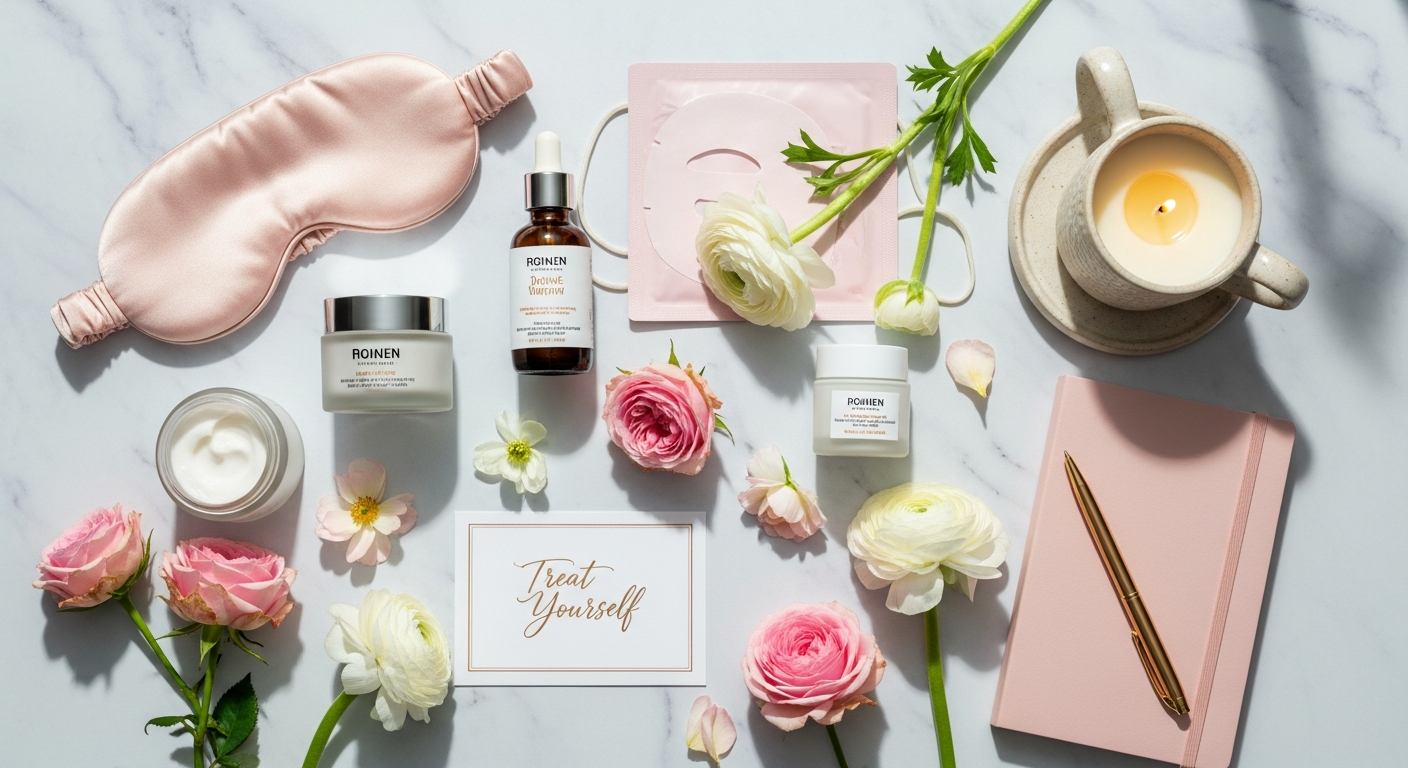
Integrating self-care into your daily routine doesn’t require grand gestures or extravagant spending. It’s about creating small, consistent rituals that honor your needs and bring you moments of peace and rejuvenation. These daily practices are the bedrock of self-love, helping you stay grounded and preventing burnout before it takes hold. Think of them as non-negotiable appointments with yourself, just as important as any work meeting or family commitment.
- Mindful Mornings: Start your day with intention. Instead of immediately grabbing your phone, try 5-10 minutes of silent meditation, deep breathing exercises, or simply sipping your coffee or tea in quiet contemplation. This sets a calm tone for the day ahead.
- Journaling for Clarity: Dedicate a few minutes each day to writing down your thoughts, feelings, or gratitude. Journaling can be a powerful tool for processing emotions, identifying patterns, and gaining clarity. It’s a private space where you can be completely honest with yourself without judgment.
- Movement as Medicine: Incorporate some form of physical activity that you genuinely enjoy. It doesn’t have to be an intense gym session. A brisk walk in nature, a gentle yoga flow, dancing to your favorite music, or even stretching while watching TV can boost your mood and energy levels.
- Digital Detox Moments: Schedule short breaks from screens throughout your day. Step away from your computer, put your phone down, and engage with the physical world around you. This can reduce mental fatigue and improve focus.
- Nourishing Meals: Pay attention to what you eat. Preparing and savoring a healthy, delicious meal can be an act of self-love. Take time to enjoy your food, rather than rushing through it.
- Hydration Habits: Keep a water bottle handy and make sure you’re drinking enough water throughout the day. Simple hydration has a profound impact on energy levels, concentration, and overall physical health.
- Wind-Down Routines: Create a calming ritual before bed. This might include reading a book, taking a warm bath, listening to soothing music, or doing gentle stretches. Avoiding screens an hour before sleep can significantly improve sleep quality.
These small acts accumulate over time, building a robust foundation for your mental and emotional health. By consistently engaging in these practices, you are actively supporting your brain’s ability to manage stress and maintain emotional balance. This proactive approach is a core component of “How To Look After Your Mental Health,” ensuring you’re not just reacting to stress, but building resilience from within. Remember, consistency is key, even if it’s just for a few minutes each day. These rituals are not just about doing things; they are about being present with yourself and acknowledging your worth.
Indulge Your Senses: The Art of Treating Yourself
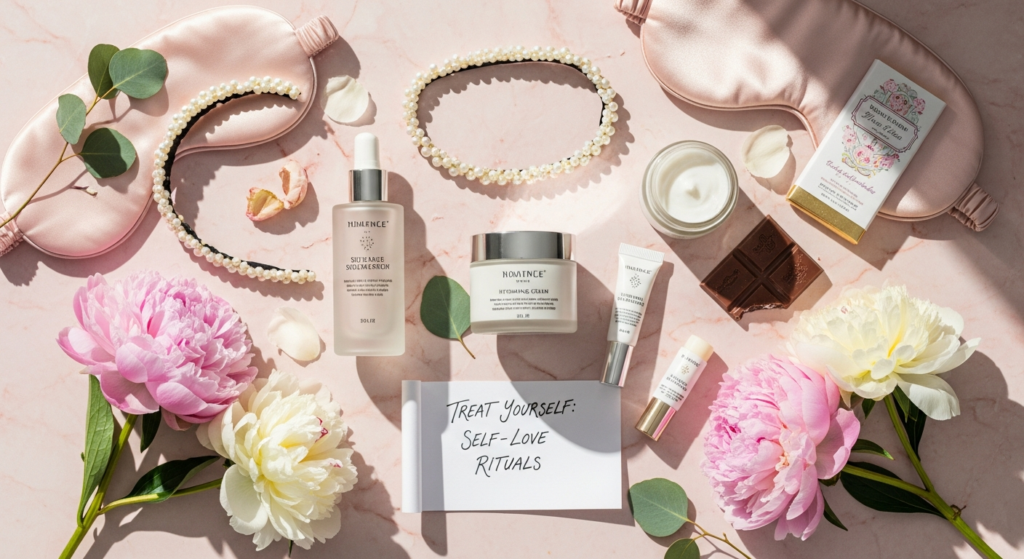
While daily self-care rituals build a strong foundation, the “treat yourself” aspect of self-love often involves indulging your senses and creating moments of pure joy and pleasure. These are the moments that break the monotony, uplift your spirit, and remind you of the beauty and abundance in life. Treating yourself isn’t about extravagance, but about intention – choosing to experience something delightful purely for your own enjoyment.
- Culinary Delights:
- Cook your favorite meal from scratch, taking your time with each step and savoring the aromas.
- Order takeout from that special restaurant you’ve been wanting to try, and enjoy it without distraction.
- Bake a batch of homemade cookies or a decadent cake, just because.
- Treat yourself to a gourmet coffee or a fancy tea, and enjoy it slowly.
- Sensory Retreats:
- Take a long, hot bath with essential oils, bath salts, and candles. Make it a spa-like experience.
- Invest in a luxurious body lotion or a fragrant perfume that makes you feel incredible.
- Light your favorite scented candle and simply relax in its glow.
- Bundle up in a soft, cozy blanket with a good book or your favorite movie.
- Beauty and Pampering:
- Get a professional manicure, pedicure, or a relaxing massage.
- Experiment with a new makeup look or hairstyle that makes you feel confident and beautiful.
- Try a face mask at home and dedicate time to just unwind while it works its magic.
- Purchase a new piece of clothing or jewelry that makes you feel special and expresses your personal style.
- Experiences and Adventures:
- Spend an afternoon at a local museum or art gallery.
- Go see a movie or a live performance you’ve been eager to watch.
- Visit a botanical garden or a beautiful park and immerse yourself in nature.
- Plan a solo day trip to a nearby town or attraction.
- Creative Outlets:
- Dedicate time to a hobby you love, whether it’s painting, knitting, playing an instrument, or writing.
- Learn a new skill or take a class that sparks your interest.
- Simply doodle or sketch without any pressure to create a masterpiece.
The key to truly treating yourself is to be fully present and allow yourself to enjoy the moment without guilt or distraction. When you take the time to indulge in these sensory pleasures, you’re not only boosting your mood but also cultivating a deeper appreciation for life’s simple joys. This positive self-regard can have a ripple effect, even impacting how you interact with others. Feeling good about yourself, feeling pampered and appreciated, naturally boosts your confidence and presence. When you’ve taken time to treat yourself and feel your best, you’re more likely to be your most engaging, vibrant self, which can even enhance your interactions on a special evening out. While this article focuses on treating
yourself
, remember that feeling great in your own skin is one of the “Surefire Ways To Impress Your Partner On Date Night,” because genuine confidence and happiness are truly attractive. So, go ahead, indulge your senses – you deserve it.
Nurturing Your Body: A Temple of Self-Love
Our bodies are incredible vessels that carry us through life, enabling us to experience joy, connection, and adventure. Nurturing your body is one of the most fundamental and profound acts of self-love, and it extends far beyond fleeting beauty treatments. It’s about listening to your body’s signals, providing it with what it needs to thrive, and treating it with respect and gratitude. This holistic approach to physical well-being is not about striving for an unattainable ideal, but about fostering health, energy, and comfort in your own skin.
- Mindful Nutrition:
- Fuel Your Body Wisely: Focus on whole, unprocessed foods that provide sustained energy and essential nutrients. This means plenty of fruits, vegetables, lean proteins, and healthy fats. Think about how foods make you feel – energized and vibrant, or sluggish and uncomfortable?
- Hydration is Key: Make drinking adequate water a priority. Dehydration can lead to fatigue, headaches, and a general feeling of malaise. Keep a water bottle with you throughout the day and sip regularly.
- Listen to Your Hunger Cues: Practice intuitive eating. Eat when you’re truly hungry and stop when you’re comfortably full. Avoid restrictive diets that can lead to unhealthy relationships with food.
- Enjoy Treats in Moderation: Self-love also means allowing yourself to enjoy your favorite treats without guilt. The key is balance and mindful consumption.
- Movement and Gentle Exercise:
- Find Joy in Movement: Instead of viewing exercise as a chore, find activities that you genuinely enjoy. It could be dancing, swimming, hiking, cycling, or practicing yoga. When you love what you do, you’re more likely to stick with it.
- Listen to Your Body: Some days you might feel energetic and ready for an intense workout, while others call for gentle stretching or a leisurely walk. Honor your body’s needs and don’t push yourself to exhaustion.
- Consistency Over Intensity: Regular, moderate activity is more beneficial than sporadic, intense bursts. Aim for movement most days of the week, even if it’s just 20-30 minutes.
- Prioritizing Rest and Sleep:
- Quality Sleep is Non-Negotiable: Sleep is when your body repairs and rejuvenates itself. Aim for 7-9 hours of quality sleep each night. Create a relaxing bedtime routine to signal to your body that it’s time to wind down.
- Power Naps: If your schedule allows, a short 20-30 minute power nap can do wonders for your energy levels and cognitive function.
- Rest When Needed: Don’t push through exhaustion. If you feel tired, give yourself permission to rest, even if it’s just sitting quietly for a few minutes.
- Regular Health Check-ups:
- Preventative Care: Schedule regular doctor’s visits, dental check-ups, and screenings. Addressing potential health issues early is a critical act of self-love and responsibility towards your body.
- Advocate for Yourself: Don’t hesitate to ask questions, seek second opinions, and advocate for your health needs with medical professionals.
By nurturing your body through mindful nutrition, consistent movement, and adequate rest, you are investing in your long-term health and vitality. This commitment to physical well-being is directly linked to overall health outcomes. For instance, maintaining a healthy weight through balanced eating and regular exercise, coupled with stress management, are key “Tips For Lowering Your Blood Pressure” and reducing the risk of chronic diseases. When you treat your body as the precious temple it is, you empower yourself with energy, resilience, and a profound sense of self-respect that radiates from within.
Setting Boundaries and Saying No: Protecting Your Peace
In our culture, women are often praised for being accommodating, agreeable, and always ready to help. While generosity and kindness are beautiful qualities, an inability to set boundaries and say “no” can quickly lead to exhaustion, resentment, and a severe depletion of your personal resources. Learning to protect your time, energy, and emotional well-being by establishing clear limits is not just a form of self-care; it’s a powerful act of self-love and self-respect. It signifies that you value your own needs and understand that you cannot pour from an empty cup.
- Understanding Your Limits: The first step is to become intimately aware of your own capacity. What truly recharges you, and what drains you? How much can you realistically take on before feeling overwhelmed? Pay attention to physical and emotional cues that indicate you’re reaching your limit.
- Identifying Your Priorities: What is truly important to you? Your health? Your family? Your career goals? Your personal projects? When you have a clear sense of your priorities, it becomes easier to evaluate requests and decide whether they align with what truly matters. Saying “no” to something that doesn’t serve your priorities means saying “yes” to something that does.
- Communicating Your Boundaries Clearly and Respectfully:
- Be Direct, But Kind: You don’t need to apologize profusely or offer lengthy explanations. A simple, “I appreciate you thinking of me, but I won’t be able to,” or “That sounds lovely, but I have a prior commitment,” is often sufficient.
- Use “I” Statements: Frame your responses around your needs rather than blaming the other person. For example, “I don’t have the capacity for that right now” rather than “You’re asking too much.”
- Offer Alternatives (Optional): If you genuinely want to help but cannot commit to the full request, you might offer a smaller contribution or suggest someone else who might be able to assist. However, remember this is optional; you are not obligated to find a solution.
- Overcoming Guilt: Guilt is a common emotion when setting boundaries, especially for women. Remind yourself that you have the right to protect your own well-being. Saying “no” to an external request is saying “yes” to yourself. True friends and loved ones will understand and respect your boundaries. If someone reacts negatively, it often says more about their expectations than about your actions.
- Protecting Your Time: Your time is a finite resource. Learn to guard it fiercely. This might mean:
- Declining social invitations when you need rest.
- Delegating tasks at work or home when possible.
- Limiting your availability for impromptu requests.
- Scheduling “me time” and treating it as non-negotiable.
- Boundaries in Relationships: Boundaries are crucial in all relationships, including with partners, family members, and friends. They define what you are and are not comfortable with, and they foster mutual respect. Healthy relationships thrive on clear boundaries, allowing both individuals to feel safe and respected.
Embracing the power of “no” is an ongoing practice, and it gets easier with time. Each time you honor your boundaries, you reinforce your self-worth and strengthen your ability to live a life that genuinely reflects your values and needs. This isn’t about being unhelpful or isolating yourself; it’s about creating space for what truly matters and ensuring you have the energy and emotional capacity to show up authentically for yourself and others. Protecting your peace is an active, vital component of deep self-love.
Cultivating a Positive Mindset: Your Inner Dialogue
Our thoughts are incredibly powerful, shaping our perceptions, emotions, and ultimately, our reality. The way we talk to ourselves, our inner dialogue, is perhaps the most critical aspect of self-love. For many women, years of societal pressure, comparison, and self-criticism have led to an inner critic that is relentless and unkind. Cultivating a positive mindset involves consciously challenging this negative self-talk and replacing it with compassion, encouragement, and self-belief. It’s an ongoing journey of retraining your mind to be your greatest ally, not your harshest judge.
- Challenge Negative Self-Talk:
- Identify the Critic: Become aware of when your inner critic speaks up. What does it say? Is it helpful or harmful?
- Question the Thoughts: Ask yourself: Is this thought absolutely true? Is it based on fact or emotion? Would I say this to a friend? Often, negative thoughts are exaggerated or unfounded.
- Reframe and Replace: Actively challenge negative thoughts and replace them with more realistic, compassionate, or empowering ones. Instead of “I’m not good enough,” try “I’m doing my best, and I’m learning and growing.”
- Practice Gratitude:
- Daily Gratitude Practice: Dedicate a few minutes each day to acknowledge things you are grateful for. This could be in a journal, through meditation, or simply by listing them in your mind.
- Shift Your Focus: Gratitude helps shift your focus from what’s lacking to what’s abundant, fostering a more positive outlook on life.
- Embrace Affirmations:
- Positive Statements: Affirmations are positive statements that you repeat to yourself to challenge negative beliefs and encourage positive ones. Examples: “I am worthy of love and happiness,” “I am strong and capable,” “I trust my intuition.”
- Consistency is Key: Repeat affirmations regularly, especially when you feel self-doubt creeping in. The more you repeat them, the more your subconscious mind begins to internalize them.
- Practice Self-Compassion:
- Treat Yourself Like a Friend: When you make a mistake or face a challenge, how would you comfort a dear friend? Extend that same kindness and understanding to yourself.
- Acknowledge Your Humanity: Understand that imperfection is a part of being human. Everyone makes mistakes and experiences setbacks. Self-compassion allows you to learn and grow without harsh self-judgment.
- Forgiveness (of Self and Others):
- Release Past Hurts: Holding onto resentment or guilt, whether towards yourself or others, is a heavy burden. Forgiveness is not about condoning actions but about releasing yourself from the emotional prison of the past.
- Move Forward: Self-forgiveness allows you to learn from past mistakes without dwelling on them, enabling you to move forward with a lighter heart.
- Limit Comparison:
- Social Media Awareness: Be mindful of how social media impacts your self-perception. Remember that most online content is curated and often presents an unrealistic ideal.
- Focus on Your Journey: Your path is unique. Focus on your own progress and growth rather than comparing yourself to others. Comparison often steals joy.
Cultivating a positive mindset is an ongoing practice, but with consistent effort, you can transform your inner world. By choosing to nurture an inner dialogue filled with kindness, gratitude, and encouragement, you build a powerful foundation for authentic self-love that empowers you to face challenges with resilience and embrace life with optimism. This internal shift is profoundly liberating and allows you to experience more joy and peace in your everyday existence.
Building Your Self-Love Toolkit for 2026
As we look ahead to 2026, let’s commit to making self-love not just a concept, but a living, breathing practice in our lives. Building a personalized self-love toolkit means gathering the strategies, rituals, and mindsets that resonate most deeply with you, creating a customized plan for your ongoing well-being. It’s about being proactive, intentional, and understanding that self-love is a dynamic journey, not a destination. Your toolkit will evolve as you do, adapting to different seasons of life and your changing needs.
Here’s how you can start to build and refine your self-love toolkit for a truly empowered 2026:
- Personalized Self-Care Menu:
- List out all the self-care activities that genuinely make you feel good – from quick 5-minute fixes to longer, more indulgent treats. Categorize them by energy level required or time commitment.
- Keep this list visible (e.g., on your fridge, in your planner) and refer to it when you feel depleted or just need a boost.
- Include both physical (movement, nutrition, sleep) and mental/emotional (journaling, meditation, reading) activities.
- Boundary Script Bank:
- Prepare a few go-to phrases for saying “no” or setting boundaries in different situations. Practice them aloud so they feel natural when you need them.
- This could include phrases for work requests, social invitations, or family demands. Having them ready reduces the anxiety of the moment.
- Positive Affirmation Deck:
- Write down 5-10 affirmations that directly address your personal areas of self-doubt or where you need the most encouragement.
- Keep them on sticky notes, in your phone, or create small cards you can carry with you. Read them daily or when you need a confidence boost.
- Mindset Shifting Prompts:
- Create a list of questions to ask yourself when negative self-talk arises: “Is this thought truly helpful?”, “What would I tell a friend in this situation?”, “What’s the positive lesson here?”
- These prompts act as mental circuit breakers, helping you redirect your thoughts towards compassion and growth.
- Joyful Indulgence Jar:
- Write down small, medium, and large “treat yourself” ideas on individual slips of paper and put them in a jar.
- When you feel the need for a pick-me-up, draw one out. This adds an element of surprise and makes treating yourself a fun ritual.
- Reflection and Adjustment Schedule:
- Schedule a weekly or monthly “self-love check-in” with yourself. This could be 15-30 minutes to reflect on how you’ve been nurturing yourself, what’s working, and what needs adjustment.
- Are you feeling rested? Energized? Are your boundaries holding strong? This regular reflection ensures your toolkit remains relevant and effective.
- Support System Check:
- Identify the people in your life who genuinely uplift and support you. Make time for these connections.
- Consider if there are any relationships that consistently drain your energy and how you might set healthier boundaries within them, or limit your exposure if necessary.
Remember, self-love is an ongoing commitment, a continuous dialogue with yourself. It’s about showing up for yourself, just as you would for anyone you deeply care about. As you step into 2026, fully equipped with your personalized self-love toolkit, you’ll not only enhance your own life but also become an inspiring beacon for other women, demonstrating the profound power and necessity of truly valuing and nurturing oneself. This year, let your self-love flourish, and watch as every other aspect of your life begins to blossom in kind.
Frequently Asked Questions
Recommended Resources
You might also enjoy Best Celebrity Skincare Brands from Celebrity Exchange.
Check out How To Create A Bedtime Routine For Children on Veralyn Media for a deeper dive.