
Understanding the Roots: What Exactly is Slow Fashion?
The term “slow fashion” first emerged in 2007, coined by trend forecaster Kate Fletcher, a professor of sustainability, design, and fashion at the University of the Arts London. It was a direct response and antithesis to the then-burgeoning fast fashion industry, which prioritized speed, volume, and low costs above all else. Slow fashion, by contrast, is not merely a trend; it’s a comprehensive philosophy and approach to clothing that emphasizes quality, durability, timelessness, ethical production, and environmental responsibility. It’s about making informed choices that consider the entire lifecycle of a garment, from its inception to its eventual disposal.
At its core, slow fashion encourages us to step back from the frantic pace of seasonal trends and cultivate a more mindful relationship with our wardrobes. Imagine a world where clothing is cherished, repaired, and passed down, rather than discarded after a few wears. This isn’t just an idealistic vision; it’s the practical application of slow fashion principles. It asks us to consider who made our clothes, under what conditions, and what resources were consumed in their creation. It challenges the notion that clothing should be disposable and instead champions investment in pieces that are made to last, both in terms of physical quality and enduring style.
The movement draws parallels with the broader “slow movement” that began with slow food, advocating for a reduction in the pace of life to foster deeper connections, greater awareness, and higher quality experiences. In fashion, this translates into a rejection of mass production and a celebration of craftsmanship, sustainable materials, and fair labor practices. It means valuing the artistry and skill involved in creating a garment, recognizing the human hands and natural resources behind each stitch. This intentional approach reduces the environmental footprint of our clothing choices and supports a more equitable global industry. It encourages consumers to become conscious participants in the fashion supply chain, rather than passive recipients of rapidly changing trends. By doing so, we not only invest in better clothing but also in a better future.
Key principles of slow fashion include:
- Quality over Quantity: Investing in fewer, well-made items that stand the test of time.
- Durability and Longevity: Choosing garments designed to last through many wears and washes.
- Timeless Design: Opting for classic styles that transcend fleeting trends.
- Ethical Production: Supporting brands that ensure fair wages, safe working conditions, and transparent supply chains.
- Sustainable Materials: Prioritizing natural, organic, recycled, or upcycled fabrics that minimize environmental impact.
- Craftsmanship: Appreciating the skill and artistry involved in creating clothing.
- Repair, Reuse, Recycle: Extending the life of garments through mending, altering, donating, or responsibly recycling.
- Mindful Consumption: Making intentional purchasing decisions based on need and values, rather than impulse.
Embracing slow fashion is a journey, not a destination. It involves a gradual shift in mindset and habits, moving away from instant gratification towards thoughtful consideration. For many, this aligns perfectly with broader wellness goals, such as cultivating mindfulness and reducing anxiety, much like the process of learning How To Create Self Care Routine by intentionally choosing activities that nourish mind, body, and spirit. It’s about building a wardrobe that serves you, reflects your values, and contributes positively to the world.
The Alarming Pace of Fast Fashion: Why We Need a Change
To truly appreciate the significance of slow fashion, it’s crucial to understand what it’s pushing back against: the pervasive and often destructive force of fast fashion. Fast fashion is characterized by its rapid production cycles, where trends from the runway are quickly translated into affordable garments sold in high street stores, often within weeks. This model thrives on constant novelty, encouraging consumers to buy more, more often, and to dispose of items just as quickly. While it offers immediate gratification and seemingly endless choices, the hidden costs are staggering, impacting our environment, society, and even our personal well-being.
The environmental toll of fast fashion is immense. The industry is one of the largest polluters globally. Consider the sheer volume of resources required: vast amounts of water for cotton cultivation (it takes thousands of liters to produce a single cotton t-shirt), toxic dyes polluting waterways, and energy-intensive manufacturing processes contributing to greenhouse gas emissions. Synthetic fabrics like polyester, prevalent in fast fashion due to their low cost, are derived from fossil fuels and shed microplastics into our oceans with every wash, entering the food chain and posing a threat to marine life and human health. Furthermore, the rapid turnover of trends leads to an enormous waste problem. Landfills are overflowing with discarded clothing, much of which is synthetic and non-biodegradable, meaning it will sit there for hundreds of years. Even natural fibers often end up in landfills, breaking down anaerobically and releasing methane, a potent greenhouse gas.
Beyond the environmental destruction, fast fashion has a deeply troubling social impact. To keep prices low and production fast, brands often rely on cheap labor in developing countries. This frequently translates into exploitative working conditions: pitifully low wages that barely cover basic living expenses, excessively long hours, unsafe factory environments (like the tragic Rana Plaza collapse in Bangladesh), and a lack of basic human rights for garment workers, many of whom are women and children. The pressure to produce quickly and cheaply means that workers are often pushed to their limits, facing physical and psychological strain. This exploitation creates a cycle of poverty and injustice, undermining global efforts towards equitable development.
Economically, fast fashion devalues clothing, training consumers to expect incredibly low prices and view garments as disposable. This perpetuates a cycle where quality is sacrificed for cost, and local economies struggle to compete with mass-produced imports. It also fosters a culture of overconsumption, where individuals are constantly encouraged to buy things they don’t truly need, leading to financial strain and a distorted sense of value.
Even on a personal level, the relentless pace of fast fashion can be insidious. The constant influx of new trends, the pressure to always be “in style,” and the sheer volume of choices can lead to decision fatigue and a subtle, underlying anxiety. This mirrors the kind of stress that can accumulate in other areas of life, for instance, when trying to navigate complex professional demands, which is why understanding How To Cope With Anxiety At Work often involves simplifying and setting boundaries. Similarly, with fast fashion, the constant chase for the next “it” item can detract from developing a genuine personal style and fostering a sense of contentment with what one already owns. It shifts focus from self-expression to external validation, which is rarely a foundation for true well-being. The cheap quality also means clothes fall apart quickly, leading to frustration and the need to constantly replace items, creating a hidden expense and a never-ending cycle of consumption.
By understanding these profound negative impacts, the urgent necessity of a shift towards slow fashion becomes crystal clear. It’s not just an alternative; it’s a critical imperative for a healthier planet and a more just society, offering a pathway to reclaim our agency as consumers and align our choices with our values.
The Multifaceted Benefits of Embracing Slow Fashion
Environmental Benefits: A Lighter Footprint for Our Planet
One of the most immediate and impactful benefits of slow fashion is its significant reduction in environmental harm. By choosing quality over quantity, we inherently decrease the demand for mass production, which in turn means:
- Reduced Waste: Fewer garments are produced, bought, and subsequently discarded, leading to less textile waste clogging landfills. When items are made to last, they stay out of the waste stream longer.
- Lower Carbon Footprint: Sustainable production methods often involve less energy consumption, and local production reduces transportation emissions. Choosing durable pieces means fewer new items need to be manufactured, cutting down on the energy and resources required for manufacturing, shipping, and retail.
- Less Pollution: Brands committed to slow fashion often use organic, recycled, or innovative eco-friendly materials that require less water and fewer pesticides. They also tend to employ dyeing processes that minimize water pollution and the use of harmful chemicals, protecting ecosystems and human health.
- Resource Conservation: From water to raw materials like cotton, wool, and synthetic fibers, slow fashion significantly reduces the demand on finite natural resources. It encourages circularity – designing products to be reused, repaired, and recycled – rather than a linear “take-make-dispose” model.
Social Benefits: A More Equitable and Just Industry
Slow fashion champions ethical practices and transparency, leading to profound social improvements:
- Fair Labor Practices: Brands committed to slow fashion prioritize fair wages, safe working conditions, reasonable hours, and respect for human rights for all workers in their supply chain. This stands in stark contrast to the exploitation often found in fast fashion factories.
- Support for Local Artisans and Communities: Many slow fashion brands work with local artisans, preserving traditional crafts and providing livelihoods in communities that might otherwise be overlooked. This fosters economic empowerment and cultural preservation.
- Transparency and Accountability: Slow fashion brands are typically more open about their production processes, allowing consumers to make informed choices and hold companies accountable for their ethical claims.
Economic Benefits: Smart Investments and Sustainable Growth
While the initial cost of a slow fashion item might be higher, the economic benefits are clear:
- Long-Term Savings: Investing in durable, high-quality pieces means you buy less frequently. These items last longer, reducing the need for constant replacement and ultimately saving you money over time.
- Support for Ethical Businesses: Your purchases directly support businesses that prioritize people and the planet, fostering a more responsible and sustainable economic model. This encourages innovation in eco-friendly materials and production.
- Increased Value and Resale Potential: Well-made garments often retain their value better, making them ideal for resale or passing down, further extending their economic life.
Personal Benefits: Wellness, Mindfulness, and Authentic Style
Perhaps one of the most compelling aspects of slow fashion, particularly for a blog focused on self-care and wellness, is its positive impact on individual well-being:
- Mindful Consumption: The act of intentionally choosing garments, researching brands, and understanding their origins fosters a sense of mindfulness. This deliberate approach to consumption can reduce impulsive buying and the stress associated with keeping up with trends. It becomes an act of self-awareness.
- Reduced Stress and Decision Fatigue: A curated, versatile wardrobe built on quality pieces means less clutter, fewer decisions about what to wear, and a clearer sense of personal style. This reduction in everyday mental load aligns with the principles of creating a peaceful “mental space” for self-care, much like the focus on streamlining routines for How To Create Self Care Routine. When you love everything in your closet, getting dressed becomes a joy, not a chore.
- Developing Authentic Personal Style: Slow fashion encourages you to discover and refine your unique style, independent of fleeting trends. It’s about building a wardrobe that genuinely reflects who you are, leading to greater confidence and self-expression.
- Greater Appreciation and Connection: When you invest in a piece of clothing, knowing its story and the care that went into its creation, you develop a deeper appreciation for it. This fosters a sense of gratitude and connection to your belongings, moving away from a disposable mindset. Caring for your clothes – mending, cleaning, storing properly – becomes a ritual of respect, extending their life and reinforcing this connection.
- Reduced Guilt and Anxiety: Knowing that your clothing choices align with your values – supporting ethical practices and protecting the environment – can significantly reduce the underlying guilt or anxiety that might accompany fast fashion consumption. This sense of alignment contributes to overall mental well-being, similar to how making healthy choices in other areas of life contributes to a feeling of peace and control.
By embracing slow fashion, you are not only making a powerful statement for a better world but also cultivating a more intentional, satisfying, and anxiety-free relationship with your wardrobe, transforming it into an extension of your commitment to self-care and mindful living.
Pillars of a Conscious Wardrobe: Principles of Slow Fashion in Practice
Building a conscious wardrobe based on slow fashion principles is a journey of intentionality and discovery. It’s about curating a collection of garments that you love, that last, and that align with your values. This shift requires a thoughtful approach to consumption, moving away from impulse buys and towards considered investments. Here are the fundamental pillars that underpin a truly slow fashion wardrobe:
1. Quality Over Quantity: The Foundation of Longevity
This is arguably the most crucial principle. Instead of owning dozens of cheaply made items that quickly lose their shape, color, or integrity, slow fashion advocates for investing in fewer, higher-quality pieces. These garments are constructed with superior materials and craftsmanship, designed to withstand the test of time and repeated wear. Think about the stitching, the fabric weight, the finishing – these details indicate durability. While the initial price point might be higher, the cost-per-wear often proves to be significantly lower in the long run, as these items won’t need frequent replacement. This approach reduces overall consumption and waste.
2. Durability and Longevity: Made to Last
A conscious wardrobe is built on items that are inherently durable. This means selecting fabrics that are robust and resilient, like organic cotton, linen, hemp, high-quality wool, or Tencel. It also means looking for strong seams, reinforced stress points, and sturdy hardware. Longevity isn’t just about how long a garment physically holds up, but also how long it remains relevant and wearable. Timeless designs, discussed next, play a significant role here. When you choose items designed for durability, you are actively participating in reducing textile waste and promoting a circular economy.
3. Timeless Design: Beyond Fleeting Trends
Fast fashion thrives on novelty, pushing new trends every few weeks. Slow fashion, in contrast, celebrates timelessness. This doesn’t mean your wardrobe has to be boring or devoid of personality, but rather that it prioritizes classic silhouettes, versatile colors, and enduring styles that won’t look dated next season. Think capsule wardrobe staples: a well-fitting pair of jeans, a classic white shirt, a versatile black dress, a quality trench coat. These pieces form the backbone of a functional and stylish wardrobe that can be easily mixed and matched, minimizing the need for constant new purchases to stay “in style.” It’s about developing your unique aesthetic rather than chasing external trends.
4. Ethical Production and Transparency: Knowing Your Clothes’ Story
A truly conscious wardrobe extends beyond the garment itself to the hands that made it. This pillar emphasizes supporting brands that are transparent about their supply chains and committed to ethical labor practices. This means paying fair wages, ensuring safe working conditions, prohibiting child labor, and respecting workers’ rights. Look for certifications like Fair Trade, GOTS (Global Organic Textile Standard), or B Corp status, which indicate a commitment to social and environmental responsibility. Transparency allows you to make informed decisions and ensures your purchasing power supports a more just and humane industry. When you know the story behind your clothes, you appreciate them more deeply.
5. Sustainable Materials: Choosing Wisely
The choice of materials profoundly impacts a garment’s environmental footprint. Slow fashion favors materials that are kind to the planet. This includes:
- Natural Fibers: Organic cotton (grown without harmful pesticides), linen (requires less water than cotton and is very durable), hemp (strong, grows quickly with minimal water), and ethically sourced wool (biodegradable, renewable).
- Recycled Materials: Repurposed fabrics or materials like recycled polyester (RPET) made from plastic bottles, which diverts waste from landfills and reduces the need for virgin resources.
- Innovative & Regenerative Materials: Newer sustainable options like Tencel (lyocell), made from wood pulp in a closed-loop system, or materials derived from agricultural waste.
- Avoiding Harmful Chemicals: Opting for natural dyes or low-impact dyeing processes that minimize water pollution.
Just as you might scrutinize ingredients in your Best Skincare Routine Acne Prone Skin to ensure they are beneficial and non-irritating, a similar level of scrutiny applies to the materials in your clothing, understanding their impact on both your body and the environment.
6. Repair, Reuse, Recycle: Extending Life Cycles
A conscious wardrobe is dynamic, not disposable. This pillar encourages extending the life of garments through various means:
- Repair and Mend: Learning basic mending skills (sewing on a button, patching a tear) can significantly prolong the life of your clothes. Supporting local tailors or repair services also contributes to the local economy.
- Reuse and Upcycle: Giving clothes a new life through alteration, customization, or transforming them into something new (e.g., old jeans into a bag).
- Second-Hand and Vintage: Buying pre-owned clothing is one of the most sustainable ways to shop, as it prevents items from going to landfill and gives them a second life.
- Responsible Recycling: When a garment truly reaches the end of its wearable life, ensure it’s recycled properly through textile recycling programs, rather than simply throwing it away.
7. Mindful Consumption: The Art of Intentional Buying
Ultimately, a conscious wardrobe is built on mindful consumption. This means asking yourself critical questions before every purchase: Do I truly need this? Does it fit my existing wardrobe? Is it well-made? Who made it? What impact did its production have? This deliberate approach reduces impulsive buys, fosters a deeper connection to your belongings, and ensures every item you own serves a purpose and brings you joy. It’s about being a discerning consumer, making choices that align with your values, and cultivating a sense of contentment with what you have.
By integrating these pillars into your approach to fashion, you’re not just buying clothes; you’re investing in a philosophy that promotes sustainability, ethics, and a more fulfilling personal style. It’s a powerful statement that your choices matter, and they can indeed shape a better world by 2026 and beyond.
Navigating the Slow Fashion Journey: Practical Steps for a Sustainable Wardrobe
Transitioning to a slow fashion wardrobe might seem daunting at first, especially if you’re accustomed to the convenience and low prices of fast fashion. However, it’s a journey, not a sprint, and every small step you take makes a difference. The goal isn’t perfection overnight, but rather a gradual shift towards more intentional and sustainable habits. Here are practical steps you can take to embark on your slow fashion journey and cultivate a wardrobe that truly serves you and the planet:
1. Audit Your Current Wardrobe: The First Step to Clarity
Before buying anything new, take stock of what you already own. Empty your closet and critically evaluate each item. Ask yourself:
- Do I wear this regularly?
- Does it fit well and make me feel good?
- Is it in good condition?
- Does it align with my personal style?
- How many similar items do I own?
Categorize items into “keep,” “repair,” “donate/sell,” and “discard.” This process helps you understand your preferences, identify gaps, and recognize what you truly need. It’s a cleansing process, much like decluttering your physical or mental space to support a robust How To Create Self Care Routine.
2. Define Your Personal Style: Know Thyself
Understanding your personal style is key to resisting fleeting trends. What colors, silhouettes, and fabrics do you genuinely love and feel comfortable in? Create a mood board, identify your go-to outfits, and pinpoint what makes you feel confident. A clear vision of your style will guide your purchasing decisions, ensuring that new additions integrate seamlessly into your existing wardrobe and serve you for years to come.
3. Research Brands: Shop Your Values
The power of slow fashion lies in supporting brands that align with your ethical and environmental values. Take the time to research brands before you buy. Look for information on their:
- Transparency: Do they share details about their supply chain, manufacturing processes, and worker conditions?
- Materials: Do they use organic, recycled, or sustainably sourced fabrics?
- Certifications: Do they have certifications like Fair Trade, GOTS, B Corp, or OEKO-TEX?
- Commitment to Longevity: Do they design for durability and offer repair services?
Websites like Good On You, Fashion Revolution, and brand directories dedicated to sustainable fashion can be excellent resources. Your purchasing power is a vote for the kind of industry you want to support.
4. Embrace Second-Hand and Vintage: The Ultimate Recycling
Shopping pre-owned is one of the most impactful ways to practice slow fashion. It gives garments a second life, reduces demand for new production, and often allows you to find unique, high-quality pieces at a fraction of their original cost. Explore:
- Thrift Stores & Charity Shops: A treasure trove for affordable finds.
- Consignment Stores: Often carry higher-end brands.
- Online Resale Platforms: Sites like ThredUp, Poshmark, Depop, and The RealReal offer vast selections.
- Vintage Shops: For unique, timeless pieces with history.
- Clothing Swaps: Organize one with friends or join local events.
5. Learn Basic Mending and Care: Prolonging Life
A crucial aspect of slow fashion is caring for what you own. Learning simple mending skills – sewing on a button, fixing a loose seam, patching a small hole – can significantly extend the life of your garments. Additionally, understanding proper garment care (reading care labels, hand washing delicates, air drying when possible) prevents damage and preserves quality. This intentional care fosters a deeper connection to your clothes, transforming routine tasks into acts of mindfulness and self-reliance.
6. Invest in Versatile, High-Quality Pieces: Building Blocks
When you do buy new, choose wisely. Opt for versatile pieces that can be dressed up or down and integrated into multiple outfits. Focus on foundational items – a classic blazer, a well-made pair of trousers, a durable coat – that will serve as the workhorses of your wardrobe. Think of it as investing in your “wardrobe health,” much like investing in high-quality, targeted ingredients for the Best Skincare Routine Acne Prone Skin – you choose products that truly work and last, rather than constantly trying cheap, ineffective alternatives.
7. Consider a Capsule Wardrobe: Streamline Your Style
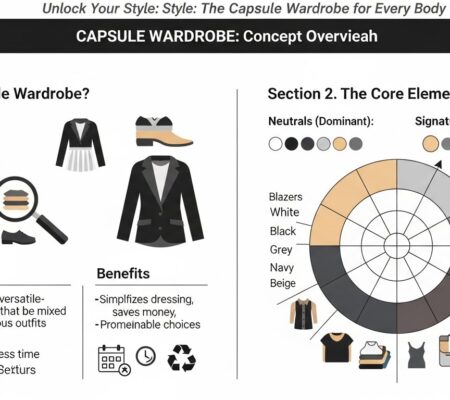
A capsule wardrobe involves curating a limited collection of interchangeable clothing items that can be mixed and matched to create numerous outfits. This approach simplifies dressing, reduces decision fatigue, and encourages thoughtful purchases. It forces you to be creative with what you have and ensures every item in your closet is loved and worn. This deliberate limitation can be incredibly liberating and reduces the mental clutter that often comes with an overflowing, fast-fashion-driven wardrobe.
8. Understand Material Science: Beyond the Label
Delve a little deeper into the fabrics you choose. Learn about the pros and cons of different materials from an environmental and durability perspective. For example, while organic cotton is better than conventional cotton, Tencel (lyocell) might have an even lower water footprint. Understanding materials helps you make more informed choices, just as understanding active ingredients is vital for optimizing your skincare. Be aware of “greenwashing” – brands making vague claims of sustainability without transparent evidence.
9. Repair Services and Tailoring: Support Local Craftsmanship
Don’t just mend at home; utilize local repair shops and tailors. They can handle more complex repairs, alterations, and custom fits, ensuring your clothes fit perfectly and last longer. Supporting these local businesses also strengthens your community and keeps valuable skills alive.
10. Be Patient and Mindful: Enjoy the Journey
The shift to slow fashion is a process. You don’t need to overhaul your entire wardrobe overnight. Start with one category, like denim or knitwear, or commit to buying only second-hand for a month. Celebrate small victories and learn from your mistakes. The goal is to cultivate a more conscious and appreciative relationship with your clothing, fostering a sense of calm and contentment that aligns with a broader philosophy of well-being. This mindful approach to consumption can significantly reduce the anxiety associated with constant consumer pressure, mirroring the benefits of intentional practices like those found in How To Cope With Anxiety At Work, where conscious choices lead to greater peace.
By integrating these practical steps, you’ll not only build a more sustainable and ethical wardrobe but also cultivate a more intentional and fulfilling lifestyle. Your choices in 2026 and beyond will contribute to a powerful collective movement towards a fashion industry that truly respects people and the planet.
The Future is Slow: Why Your Choices Matter More Than Ever
As we navigate the complexities of the 21st century, with growing awareness of environmental degradation and social inequality, the conversation around slow fashion is no longer niche – it’s essential. The choices we make as consumers hold immense power, collectively shaping the industries we support and the world we inhabit. In 2026, the imperative to adopt more sustainable and ethical practices in every aspect of our lives, including what we wear, is more pressing than ever before. Your individual decisions are not isolated; they are threads in the larger tapestry of global change.
The future of fashion, if it is to be sustainable and equitable, must be slow. This means a fundamental paradigm shift from the current linear “take-make-dispose” model to a circular one, where resources are conserved, waste is minimized, and human dignity is prioritized at every stage. This isn’t just an aspiration; it’s a necessity for the health of our planet and the well-being of future generations. The fashion industry, as one of the world’s largest employers and polluters, has a profound responsibility, and that responsibility is increasingly being echoed by conscious consumers like you.
Every decision to purchase a well-made, ethically sourced garment, to repair a beloved item, or to choose second-hand over new, sends a clear message to brands and manufacturers. It signals a demand for transparency, accountability, and genuine sustainability. This collective demand is what drives innovation in eco-friendly materials, pushes for fairer labor laws, and encourages companies to rethink their entire business models. Without consumer pressure, the inertia of fast fashion’s profitable but destructive cycle would be difficult to break.
Moreover, embracing slow fashion is an act of empowerment. It’s about reclaiming agency over your consumption habits and aligning them with your deepest values. In a world saturated with external pressures and endless advertisements, making intentional choices about your wardrobe becomes an act of self-respect and mindful living. It fosters a deeper appreciation for craftsmanship, quality, and the story behind your clothes, moving away from a disposable mindset towards one of
Recommended Resources
Related reading: How To Build A Sustainable Beauty Routine (Veralyn Media).
Check out French Girl Style Guide Wardrobe Essentials on Fashion Goggled for a deeper dive.