
Welcome to Sometimes Daily, where we believe in empowering women to chase their dreams and embrace their authentic selves. Have you ever envisioned yourself gracing magazine covers, walking a runway, or becoming the face of a brand you love? The world of modeling, often perceived as exclusive and rigid, has undergone a beautiful transformation. In 2026, it’s more diverse, inclusive, and accessible than ever before, celebrating unique beauty, personality, and genuine connection. If you’re a woman with a spark in your eye and a desire to explore this exciting path, you’re in the right place. This comprehensive guide will walk you through everything you need to know about how to start a modeling career as a woman in 2026, from building an irresistible portfolio to finding the right agency and nurturing your inner radiance every step of the way. Let’s embark on this empowering journey together!
Demystifying the Modern Modeling World in 2026: Beyond the Stereotypes
For many years, the modeling industry was synonymous with a very narrow ideal: tall, extremely thin, and often Eurocentric. But thankfully, those days are largely behind us. The modeling landscape in 2026 is a vibrant tapestry, woven with threads of diversity, authenticity, and individuality. Brands and consumers alike are craving realness, representation, and models who reflect the rich spectrum of humanity. This means there’s a place for almost every woman who is passionate, professional, and prepared to work hard.
Understanding the different facets of the industry is your first step. It’s not just about high fashion runways; there’s a vast array of niches you might fit into:
- Fashion/Editorial Modeling: This is often what people imagine – high fashion magazines, designer campaigns, and runway shows. While height and specific measurements are still a factor here, even this segment is becoming more open to diverse body types and ages. Editorial work is about telling a story through imagery, often avant-garde and artistic.
- Commercial Modeling: This is perhaps the broadest category and where many aspiring models find their footing. Commercial models appear in advertisements for everyday products and services – think skincare, food, cars, financial institutions, and department store catalogs. They need to be relatable, approachable, and convey emotion. This category embraces a wide range of ages, sizes, ethnicities, and looks.
- Plus-Size Modeling: Once a niche, plus-size modeling is now a powerful and growing segment, celebrating women with curvier figures. Major brands are actively seeking models who represent the average woman’s body, which is a significant win for body positivity.
- Petite Modeling: For women who don’t meet traditional height requirements (typically under 5’7″), petite modeling offers opportunities in commercial, print, and sometimes even fashion, especially for brands specializing in petite clothing lines.
- Lifestyle Modeling: Similar to commercial, lifestyle modeling focuses on depicting real-life scenarios and emotions. Models might be shown laughing with friends, enjoying a meal, or engaging in hobbies. Authenticity is key here, making it very accessible.
- Parts Modeling: If you have particularly beautiful hands, feet, hair, or eyes, you could specialize in parts modeling. These models are used for close-up shots of specific body parts in advertisements for jewelry, beauty products, or shoes.
- Fit Modeling: Fit models work behind the scenes, helping designers ensure clothing fits correctly across different sizes. While not typically visible to the public, it’s a stable and well-paying segment of the industry that requires precise measurements and the ability to provide constructive feedback.
- Influencer/Brand Ambassador Modeling: With the rise of social media, many models also leverage their personal brand to become influencers or brand ambassadors, collaborating directly with companies to promote products through their online presence. This often goes hand-in-hand with traditional modeling work.
The key takeaway for 2026 is that the industry values individuality. Your unique look, your personality, and your ability to connect with an audience are your greatest assets. Forget chasing an outdated ideal; focus on becoming the best, most authentic version of you.
Cultivating Your Inner & Outer Radiance: Confidence, Body Positivity, and Style
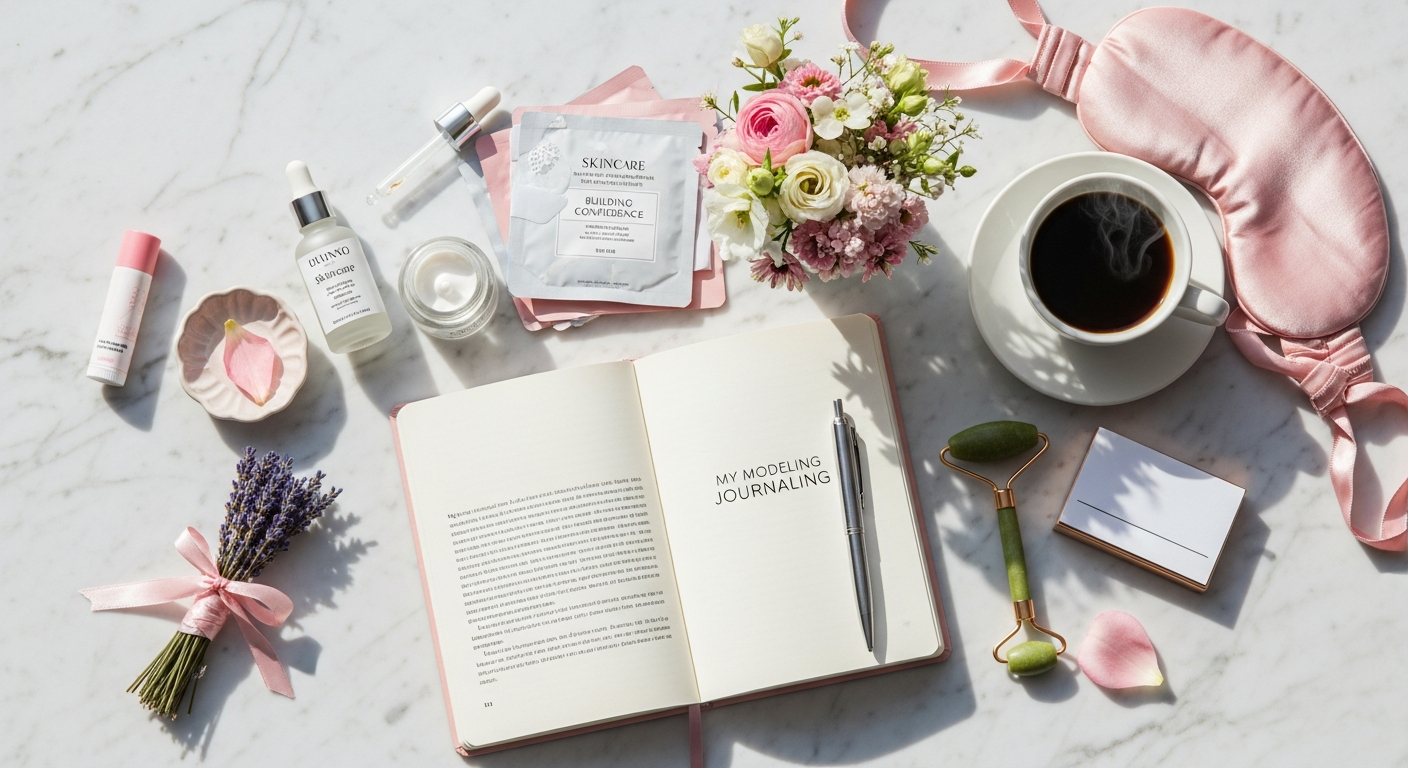
While the external aspects of modeling are often highlighted, the truth is that a successful modeling career, especially in 2026, is built on a strong foundation of inner strength. Your presence, your ability to embody a brand’s message, and your resilience in the face of challenges all stem from how you feel about yourself. This is where building confidence, embracing body positivity, and finding your personal style become paramount.
Build Confidence: The Unseen Power Behind Every Pose
Confidence isn’t something you’re born with; it’s a muscle you develop. In modeling, it translates into how you carry yourself, how you interact with photographers and clients, and your ability to project emotion and professionalism. Here’s how to start nurturing yours:
- Practice Posing and Expressions: Stand in front of a mirror or use your phone camera. Experiment with different angles, facial expressions (happy, serious, thoughtful, surprised), and body language. Understand what works for your unique features and how to convey different moods. The more comfortable you become with your own image, the more confident you’ll be on set.
- Positive Affirmations: Start each day with positive self-talk. Instead of focusing on perceived flaws, remind yourself of your strengths, your beauty, and your worth. “I am capable,” “I am beautiful,” “I am a strong woman” – these simple phrases can rewire your mindset over time.
- Step Outside Your Comfort Zone: Engage in activities that push you slightly beyond what’s comfortable. This could be public speaking, trying a new hobby, or even just initiating conversations with strangers. Each small victory builds your self-belief.
- Educate Yourself: Knowledge is empowering. Learn about the industry, about photography, about fashion. The more you understand, the less intimidating the unknown becomes.
- Surround Yourself with Positivity: Spend time with people who lift you up and believe in you. Limit exposure to negativity, whether it’s from social media or critical individuals.
Remember, confidence isn’t about being fearless; it’s about acting despite your fears. It’s about knowing your value and owning it.
Body Positivity: Loving the Skin You’re In
The modeling industry in 2026 is actively championing body positivity. This isn’t just a trend; it’s a fundamental shift towards celebrating all shapes, sizes, and abilities. For you, as an aspiring model, embracing body positivity means cultivating a deep appreciation for your unique physique. It means understanding that your body is a vessel for your dreams, not an object to be constantly critiqued.
- Shift Your Focus: Instead of fixating on what you perceive as imperfections, appreciate what your body can do. Focus on health and well-being rather than striving for an unrealistic aesthetic.
- Unfollow & Follow: Audit your social media. Unfollow accounts that promote unattainable body ideals or make you feel inadequate. Instead, follow models, influencers, and brands that celebrate diversity and promote healthy body image.
- Practice Self-Care: Nurture your body with wholesome food, regular movement that you enjoy (not as punishment), adequate sleep, and mindful relaxation. When you treat your body with respect, it’s easier to love it.
- Challenge Negative Self-Talk: Catch yourself when negative thoughts about your body arise and consciously replace them with positive or neutral observations. Your inner dialogue profoundly impacts your self-perception.
Your unique body is your canvas. When you radiate self-acceptance, it shows in your photos, making you a more compelling and authentic model.
Find Your Personal Style: Your Unique Visual Signature
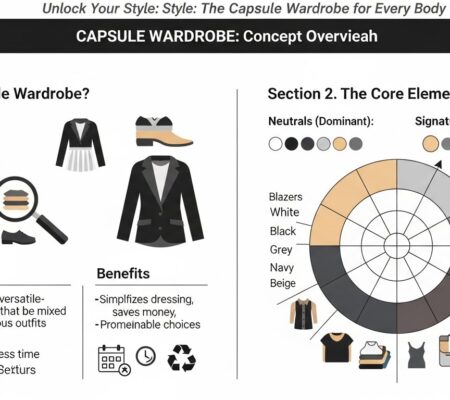
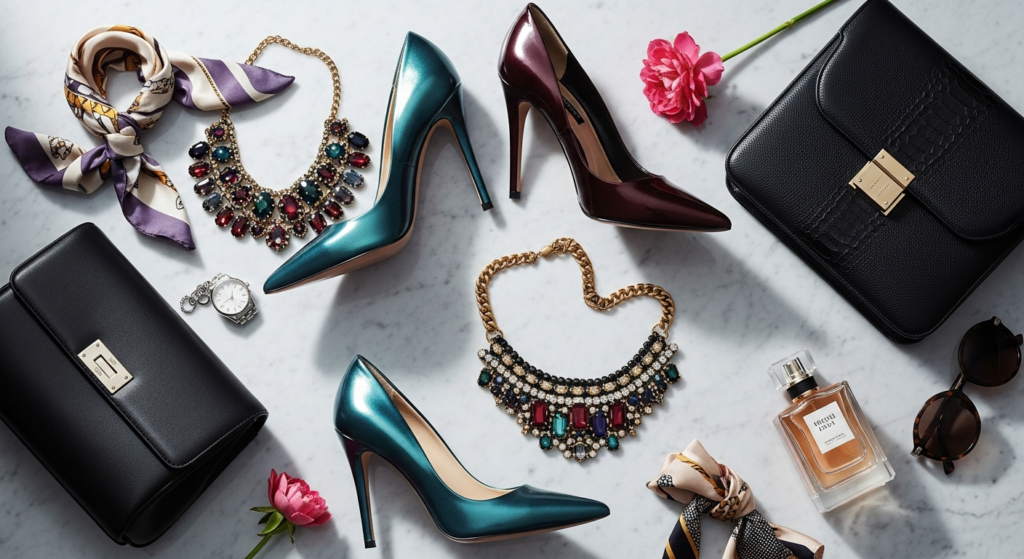
Your personal style is more than just the clothes you wear; it’s an extension of your personality, your values, and your aesthetic. In 2026, brands are looking for models who have a distinct point of view and can authentically represent their products. Developing your personal style will not only help you feel more comfortable and confident but will also give agents and clients a clearer sense of who you are.
- Explore and Experiment: Try on different clothes, experiment with makeup, hair, and accessories. What makes you feel good? What truly represents you? Don’t be afraid to step outside current trends to discover what resonates with your inner self.
- Create a Mood Board: Collect images, fabrics, colors, and textures that inspire you. This could be digital (Pinterest) or physical. What kind of aesthetic are you drawn to? What story do you want your style to tell?
- Understand Your Body: Learn what cuts, silhouettes, and colors flatter your unique body shape and skin tone. This isn’t about hiding anything, but about enhancing your best features and feeling amazing in what you wear.
- Define Your “Brand”: Think about the adjectives you’d use to describe yourself. Are you bohemian, edgy, classic, minimalist, glamorous? Your personal style should reflect these aspects. This will also help you identify which types of modeling might be the best fit for you.
Having a well-defined personal style not only helps you present yourself professionally but also signals to the industry that you have a clear sense of self, which is incredibly attractive to clients looking for authentic representation.
The Practical Roadmap: Your Portfolio & Online Presence
Once you’ve started cultivating your inner game, it’s time to focus on the tangible tools that will open doors: your modeling portfolio and your digital footprint. These are your calling cards, showcasing your versatility, professionalism, and unique appeal.
The Essentials of a Strong Portfolio: Your Visual Storybook
Your portfolio is a curated collection of your best modeling work. It’s not just a gallery of pretty pictures; it’s a strategic presentation of your range and potential. In 2026, a strong portfolio is predominantly digital, though some agencies may still request physical prints.
- Quality Over Quantity: Aim for 10-20 strong, diverse images. One exceptional photo is worth more than five mediocre ones.
- Professional Test Shoots: You need high-quality images, and initially, you’ll need to invest in test shoots.
- Collaborate Wisely: Seek out experienced photographers who understand modeling portfolios. Look for those with a good eye for lighting, composition, and directing models. Offer to collaborate on a “time for print/digital” (TFP/TFCD) basis if you’re just starting, where you both benefit from the images without exchanging money.
- Team Up: Work with professional makeup artists (MUAs) and stylists. They can elevate your look and ensure your photos are polished and industry-standard.
- Show Your Versatility: Include a variety of looks and moods:
- Clean Headshots: Natural makeup, hair pulled back or styled simply, showing your face clearly. These are crucial.
- Full-Body Shots: Show your proportions and how you carry yourself. Include shots in form-fitting clothing and different outfits.
- Range of Expressions: Smile, serious, thoughtful, playful. Demonstrate your ability to convey different emotions.
- Different Settings & Styles: Showcase yourself in editorial, commercial, and lifestyle contexts if possible. This demonstrates your adaptability.
- “Digitals” (Snapshots): These are unretouched, natural photos taken in good lighting against a plain background. They show your current, natural look without professional styling or heavy makeup. Agencies will always ask for these.
- Update Regularly: As you gain experience and your look evolves, refresh your portfolio.
Comp Cards (Composite Cards or ZED Cards): Your Mini-Portfolio
A comp card is essentially a model’s business card, a one-page summary of your best work and vital statistics. While increasingly digital, a physical card can still be useful for open calls or networking events.
- Front: Usually a striking headshot or a strong full-body shot.
- Back: 3-4 smaller, diverse images (full-body, lifestyle, editorial).
- Essential Information: Your name, agency contact (once signed), and key measurements (height, bust, waist, hips, shoe size, dress size, eye color, hair color). Keep these accurate and updated.
Your Digital Footprint in 2026: Social Media & Online Portfolio
In today’s digital age, your online presence is as critical as your physical portfolio. It’s often the first place agents and clients will look.
- Professional Website/Online Portfolio: This is your central hub. Use a clean, user-friendly platform (like Squarespace, Wix, or a dedicated modeling portfolio site). Organize your images into clear categories (e.g., “Editorial,” “Commercial,” “Digitals”). Include a professional bio and contact information.
- Strategic Social Media Use: Instagram and TikTok are your primary tools.
- Curated Feed: Treat your social media as an extension of your portfolio. Post high-quality images and videos that showcase your versatility and personality.
- Authenticity & Personality: While professional, don’t be afraid to let your unique personality shine through. Brands often look at social media to gauge a model’s engagement and authenticity.
- Professionalism: Maintain a professional image. Avoid controversial content or anything that could be off-putting to potential clients.
- Engagement: Interact with your followers, other creatives, and brands. Networking online is just as important as in person.
- Hashtags: Use relevant hashtags like #aspiringmodel #modelsearch #yourcitymodel #plussizemodel #commercialmodel to increase discoverability.
- LinkedIn: While less visual, LinkedIn can be a valuable tool for professional networking within the fashion and advertising industries. Connect with photographers, stylists, and casting directors.
Your online presence should complement your portfolio, offering a dynamic and current view of who you are as a model and a person.
Finding Your Tribe: Agents, Agencies, and Ethical Practices
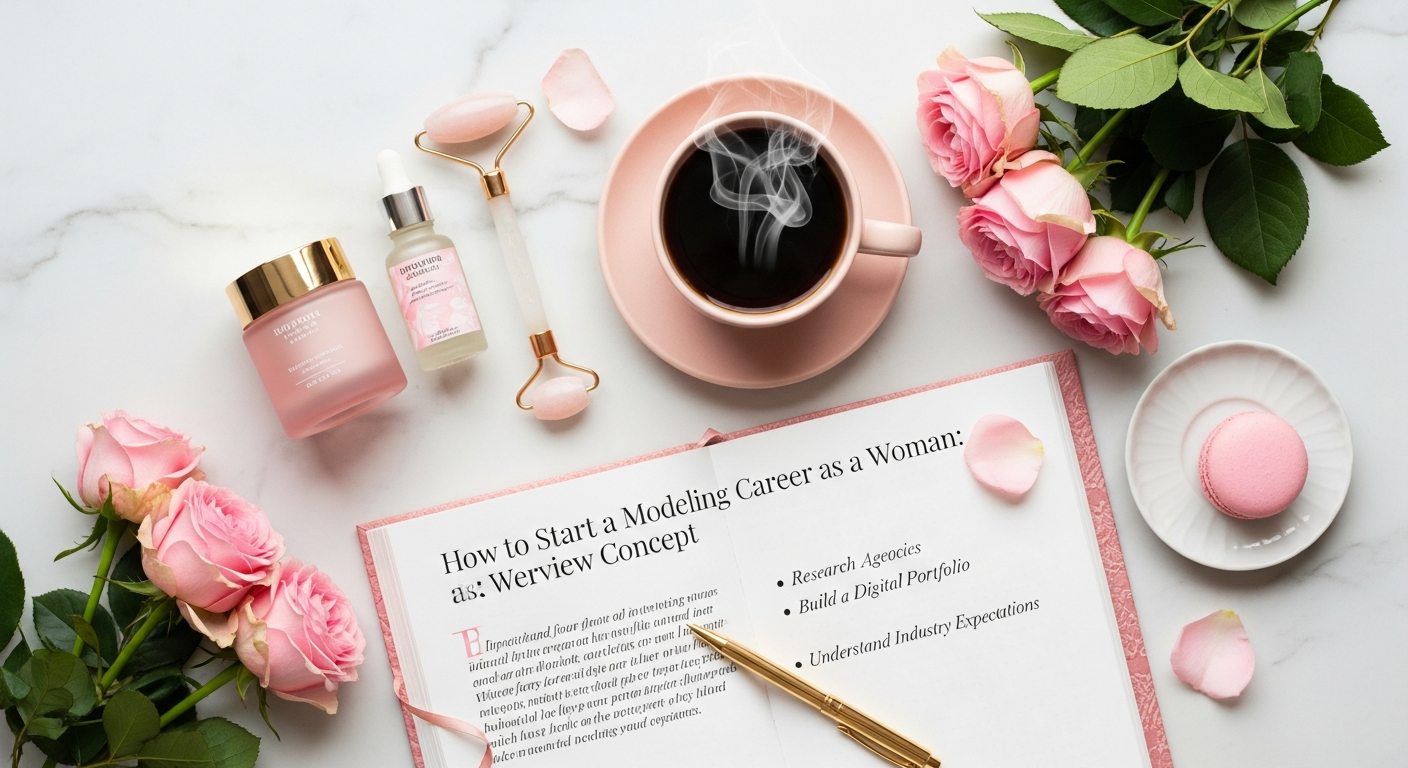
Once your portfolio and online presence are polished, the next crucial step is finding representation. A reputable modeling agency acts as your manager, booking agent, and advocate, guiding your career and connecting you with legitimate opportunities. However, navigating this landscape requires discernment and an understanding of ethical practices.
Researching Agencies: Separating the Wheat from the Chaff
This is arguably the most important step in protecting yourself and building a legitimate career. Not all agencies are created equal, and sadly, scams exist.
- Look for Reputation: Research agencies in your target city (e.g., New York, Los Angeles, London, Milan, Paris, or even smaller regional markets). Look at their roster of models, the campaigns they’ve booked, and their presence in reputable industry publications.
- Check for Longevity: Established agencies often have a proven track record. New agencies aren’t necessarily bad, but require more scrutiny.
- Read Reviews & Testimonials: Look for feedback from current and former models. Websites like Glassdoor or model forums can offer insights, but always take individual reviews with a grain of salt.
- Avoid “Pay-to-Play” Agencies: A legitimate agency makes money when YOU make money (through commission on your bookings). They should never ask for upfront fees for representation, expensive photo shoots (they might recommend photographers, but you’re not obligated to use them, and they shouldn’t profit from it), or mandatory classes. The only exception might be a small administrative fee after you’re signed, but this should be clearly outlined and reasonable.
- Mother Agencies: Some models start with a “mother agency” in their hometown, which then helps them get signed with larger agencies in major markets. Mother agencies typically have a smaller commission but are valuable for development and guidance.
Submitting to Agencies: Making Your First Impression Count
Once you’ve identified agencies you’re interested in, follow their submission guidelines precisely.
- Online Submissions: Most agencies prefer online submissions via their website. This usually involves a form where you upload your digitals, a few portfolio shots, and your measurements.
- Open Calls: Some agencies still host open calls (also known as “walk-ins”) where you can visit their office without an appointment. Check their website for dates and times. Dress simply (form-fitting, clean, minimal makeup) to showcase your natural look. Bring your comp card if you have one, or a few printed digitals.
- What to Include: Always provide your most natural, unretouched digitals first. Then, include 3-5 of your strongest portfolio images that showcase your versatility. Write a brief, professional cover letter or message introducing yourself and why you believe you’d be a good fit for their agency.
- Be Patient: Agencies receive hundreds of submissions. Don’t get discouraged if you don’t hear back immediately. If you don’t hear back within a few weeks, move on to other agencies.
Understanding Contracts: Your Rights and Responsibilities
If an agency offers you a contract, congratulations! This is a significant milestone. However, it’s crucial to understand what you’re signing.
- Read Everything Carefully: Do not sign anything you don’t fully understand.
- Seek Legal Advice: Ideally, have a lawyer specializing in entertainment or contract law review the agreement. This is an investment in your future.
- Key Contract Elements to Look For:
- Term: How long is the contract for (e.g., 1-3 years)?
- Exclusivity: Are you exclusive to this agency in certain markets or globally? This means you can’t work with other agencies for specific types of modeling or in certain regions.
- Commission Rates: What percentage does the agency take from your earnings (typically 15-20% for modeling, sometimes more for acting or endorsements)?
- Expenses: How are expenses (like portfolio development, travel, tear sheets) handled? Are they deducted from your earnings? Is there a clear cap?
- Termination Clause: Under what conditions can either party terminate the contract?
- Governing Law: Which state or country’s laws apply?
A good agency will be transparent, communicative, and prioritize your well-being and career growth. Building a strong, trusting relationship with your agent is vital for long-term success.
The Hustle and Heart: Navigating Auditions, Bookings, and Rejection
Getting signed is just the beginning. The real work starts when your agent begins submitting you for jobs. This phase requires tenacity, professionalism, and a thick skin. The modeling world is competitive, and you’ll face more “no’s” than “yes’s,” but each experience is a step in your journey.
The Audition Process: Your Moment to Shine
Auditions (often called “go-sees” or “castings”) are your opportunity to meet clients, show your personality, and prove you’re the right fit for a job. In 2026, these can be in-person or virtual.
- Preparation is Key:
- Research the Client: If you know who you’re auditioning for, research their brand, aesthetic, and previous campaigns. This helps you understand their needs and tailor your presentation.
- Outfit & Grooming: Your agent will usually advise on the dress code. Generally, wear something clean, simple, and form-fitting that showcases your figure without distractions. Minimal, natural makeup and clean hair are usually best, allowing them to see your natural look. Bring heels if requested.
- Bring Your Essentials: Always have your comp card (or digitals on your phone/tablet) and a pen. Be prepared to fill out forms.
- Practice Your Walk/Posing: If it’s a runway casting, practice your walk. For print, be ready to take direction and show different poses and expressions quickly.
- During the Audition:
- Be Punctual: Arrive on time, or even 10-15 minutes early.
- Be Professional & Personable: Introduce yourself confidently. Be polite, friendly, and easy to work with. Clients often hire based on personality as much as looks.
- Listen Carefully: Pay attention to instructions and feedback. Show that you can take direction well.
- Show Your Personality: While being professional, don’t be afraid to let your unique charm shine through.
The Reality of Rejection: Building Resilience
Rejection is an undeniable part of a modeling career. You might be told you’re too tall, too short, too curvy, not curvy enough, too commercial, not commercial enough – the list goes on. It’s rarely personal.
- Don’t Take It Personally: Clients have a very specific vision in mind for each project, and sometimes you just don’t fit that particular mold. It has nothing to do with your inherent worth or beauty.
- Learn from It: If you get constructive feedback, take it to heart. Can you improve your posing? Your walk? Your expressions?
- Develop a Thick Skin: This industry requires immense resilience. Acknowledge the disappointment, then dust yourself off and focus on the next opportunity. Every “no” brings you closer to a “yes.”
- Lean on Your Support System: Talk to your agent, friends, or family. Having a strong support network is crucial for maintaining a positive mindset.
Booking Your First Gigs: The Thrill of the “Yes”
When you finally get that call confirming a booking, it’s an incredible feeling! Now, the real work begins.
- Professionalism On Set: Arrive prepared, on time, and with a positive attitude. Listen to the photographer, director, and client. Be cooperative, efficient, and respect everyone’s time and expertise.
- Communicate with Your Agent: Keep your agent informed of any issues or questions on set. They are your advocate.
- Network On Set: Be friendly and make connections with photographers, stylists, MUAs, and other models. These connections can lead to future opportunities.
Sustaining Your Journey: Growth, Wellness, and Long-Term Success
A modeling career isn’t a sprint; it’s a marathon. To thrive long-term in 2026 and beyond, you need to commit to continuous growth, prioritize your well-being, and think strategically about your future.
Continuous Learning & Growth: Sharpening Your Craft
The best models are always evolving. The industry changes, and so should you.
- Workshops & Classes: Consider taking acting classes to improve your emotional range and ability to portray characters. Movement classes (dance, yoga, Pilates) can enhance your body awareness and posing fluidity.
- Stay Current: Follow industry news, fashion trends, and new photography techniques. Understand what brands are looking for.
- Experiment with Creatives: Continue doing TFP/TFCD shoots with different photographers and stylists to build new skills and expand your portfolio.
- Learn About Business: Understand the business side of modeling, from marketing yourself to managing finances.
Prioritizing Wellness: Your Foundation for Success
The demands of modeling can be significant, making self-care and holistic wellness non-negotiable.
- Mental Health: The constant scrutiny, travel, and rejection can take a toll. Develop healthy coping mechanisms for stress. Practice mindfulness, meditation, or journaling. Don’t hesitate to seek professional help from a therapist or counselor if you’re struggling. Your mental well-being is paramount.
- Physical Health: This isn’t about extreme dieting or over-exercising. It’s about nourishing your body with balanced nutrition, engaging in physical activity that you enjoy, and ensuring you get adequate sleep. A healthy body functions better, looks more vibrant, and has more energy for demanding shoots. Hydration and skincare are also crucial.
- Self-Care Routines: Create rituals that help you recharge – whether it’s a relaxing bath, reading a book, spending time in nature, or connecting with loved ones. These are essential for maintaining balance and preventing burnout.
Remember, your body and mind are your instruments. Treat them with care and respect, embodying the true spirit of body positivity.
Financial Savvy: Managing Your Earnings
Modeling income can be unpredictable, especially in the beginning. Being financially literate is crucial.
- Budgeting & Saving: Create a budget and prioritize saving. Set aside money for taxes, slow periods, and future investments.
- Understanding Taxes: As a freelance contractor, you’ll be responsible for your own taxes. Consult with an accountant who understands the unique financial aspects of the modeling industry.
- Invest in Your Career: Allocate funds for portfolio updates, acting classes, or professional development.
Building a Brand Beyond Modeling: Long-Term Vision
Many models leverage their platform to build a personal brand that extends beyond traditional modeling. This can offer stability and opportunities for post-modeling careers.
- Develop Other Skills & Passions: What else are you interested in? Photography, styling, writing, entrepreneurship, acting, content creation? Explore these passions.
- Use Your Platform: If you gain a significant social media following, consider creating your own content, collaborating with brands as an influencer, or starting a business related to your interests.
- Mentorship: Seek out experienced models or industry professionals who can offer guidance and insights into navigating a long-term career.
A modeling career can be incredibly rewarding, opening doors to travel, creativity, and self-discovery. By approaching it with professionalism, resilience, and a commitment to your well-being, you can build a successful and fulfilling journey as a woman in modeling in 2026.
Frequently Asked Questions
Recommended Resources
Learn more about this topic in How To Dress Like Your Favorite Celebrity at Celebrity Exchange.
Related reading: Fashion Trends For Women 2026 (Fashion Goggled).